

What is the fatigue resistance of flexible duct wire?
Hey there! As a supplier of Flexible Duct Wire, I often get asked about the fatigue resistance of this product. So, let's dive right into it and explore what fatigue resistance means in the context of flexible duct wire.

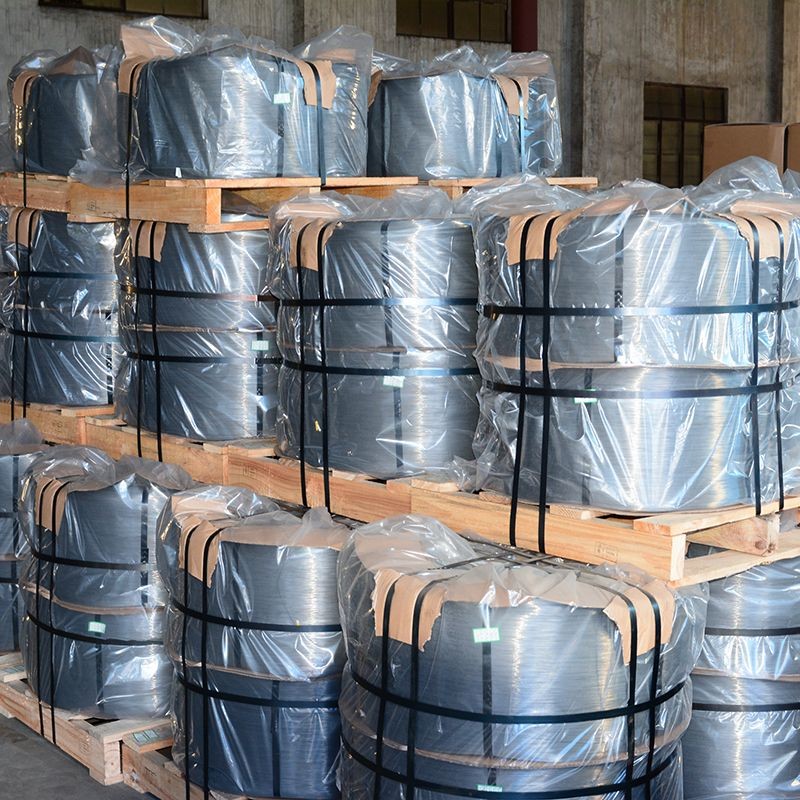
First off, what is fatigue resistance? In simple terms, fatigue resistance refers to a material's ability to withstand repeated loading and unloading cycles without failing. When it comes to flexible duct wire, this is super important because these wires are often used in applications where they'll be bent, flexed, or vibrated over and over again. For example, in HVAC systems, the flexible duct wires are constantly subjected to air pressure changes and mechanical movement, which can cause stress on the wires.
So, how does the fatigue resistance of flexible duct wire work? Well, it all comes down to the wire's material and its structure. Most flexible duct wires are made from high - quality steel, which is known for its strength and durability. The steel used in these wires is carefully selected and processed to ensure it has the right properties to resist fatigue.
One of the key factors that affect fatigue resistance is the wire's surface quality. A smooth surface reduces stress concentrations, which can lead to crack initiation. During the manufacturing process, the wire is often polished or treated to achieve a smooth finish. This helps to prevent small defects on the surface that could act as starting points for cracks under repeated stress.
Another important aspect is the wire's microstructure. The way the atoms are arranged in the steel can have a big impact on its fatigue performance. For instance, a fine - grained microstructure generally provides better fatigue resistance than a coarse - grained one. Manufacturers use heat treatment processes to control the microstructure of the wire, making it more resistant to fatigue.
Let's talk about the real - world implications of good fatigue resistance in flexible duct wire. In HVAC systems, a wire with high fatigue resistance means a longer lifespan for the duct. This reduces the need for frequent replacements, which saves both time and money for building owners and maintenance crews. It also improves the reliability of the system, as there's less risk of the wire breaking and causing a malfunction.
Now, I'd like to mention some other related products we offer. If you're interested in different types of steel wire, we have Steel Wire for Optical Fibre Cable. This wire is designed specifically for use in optical fibre cables, where it provides strength and protection. We also have Steel Cut Wire Shot, which is used in various surface treatment applications. And for those in need of wire for brushes, we offer Steel Wire for Brush.
When it comes to choosing the right flexible duct wire, it's crucial to consider the fatigue resistance. You don't want to end up with a wire that will break down quickly under normal use. That's why we put so much effort into ensuring our flexible duct wires have excellent fatigue resistance.
We test our wires rigorously to make sure they meet the highest standards. We use advanced testing equipment to simulate real - world conditions and measure the wire's performance under repeated stress. This allows us to fine - tune our manufacturing processes and improve the fatigue resistance of our products.
If you're in the market for flexible duct wire, or any of our other steel wire products, I encourage you to reach out to us. Whether you're an HVAC contractor, a manufacturer, or someone involved in a related industry, we can provide you with high - quality wire that meets your specific needs. Our team of experts is always ready to answer your questions and help you find the best solution for your project.
In conclusion, the fatigue resistance of flexible duct wire is a critical factor that determines its performance and longevity. By understanding how it works and choosing a wire with good fatigue resistance, you can ensure the reliability and efficiency of your systems. So, don't hesitate to contact us if you're interested in learning more or making a purchase. We're here to support you every step of the way.
References
- ASM Handbook Volume 19: Fatigue and Fracture. ASM International.
- "Metallurgy and Mechanics of Wires" by George E. Totten and D. Scott MacKenzie.