

What is the lifespan of coated steel wire?
What is the lifespan of coated steel wire?
As a seasoned supplier of coated steel wire, I often get asked about the lifespan of our products. The lifespan of coated steel wire is a crucial consideration for many industries, from construction to automotive and beyond. It directly impacts the durability, reliability, and cost - effectiveness of the end - use applications. In this blog, I'll delve into the factors that influence the lifespan of coated steel wire and provide some insights based on our years of experience in the industry.
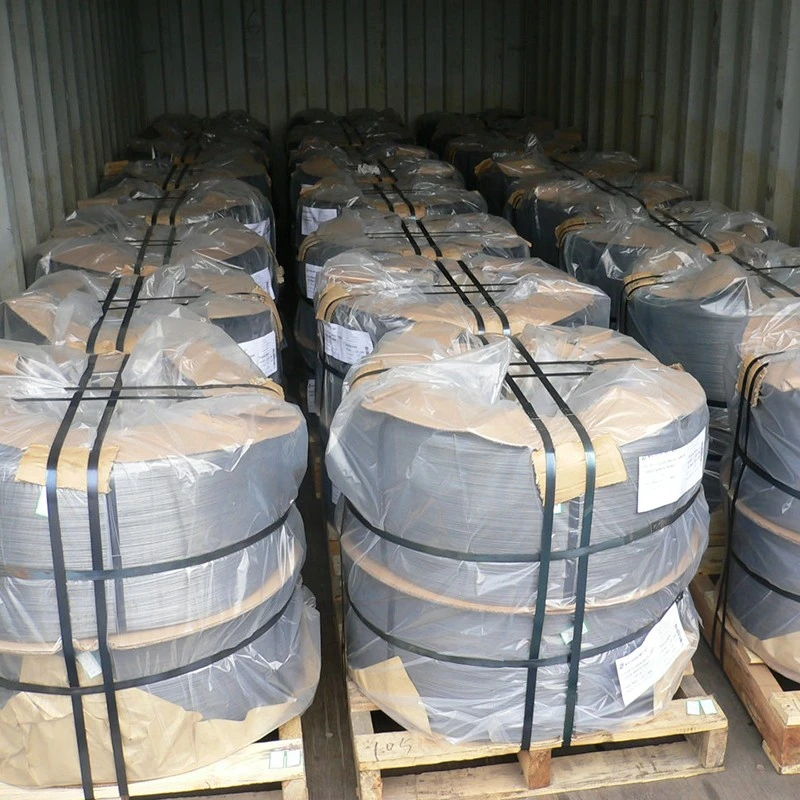

Factors Affecting the Lifespan of Coated Steel Wire
1. Coating Material
The type of coating applied to the steel wire plays a significant role in determining its lifespan. Different coatings offer varying levels of protection against corrosion, abrasion, and environmental factors.
- Anti - Oxidation Copper Coated Steel Wire: Copper coating provides excellent electrical conductivity along with anti - oxidation properties. The copper layer acts as a barrier between the steel wire and the surrounding environment, preventing oxygen and moisture from reaching the steel surface. This type of coating is commonly used in electrical applications, such as wiring and grounding systems. You can learn more about Anti Oxidation Copper Coated Steel Wire.
- Tin Plated Bronze Steel Wire: Tin plating on bronze steel wire offers good corrosion resistance, especially in marine and humid environments. The tin layer provides a sacrificial protection mechanism, where the tin corrodes first, protecting the underlying steel. This type of coated wire is often used in marine hardware, fishing gear, and decorative applications. Check out Tin Plated Bronze Steel Wire for more details.
2. Environmental Conditions
The environment in which the coated steel wire is used has a profound impact on its lifespan. Harsh environmental conditions can accelerate the degradation of the coating and the underlying steel.
- Humidity and Moisture: High humidity and exposure to moisture are major contributors to corrosion. In coastal areas or industrial environments with high humidity levels, the lifespan of coated steel wire may be reduced. Condensation can form on the wire surface, providing an ideal environment for rust to develop.
- Chemical Exposure: Exposure to chemicals, such as acids, alkalis, and salts, can also damage the coating and the steel wire. For example, in industrial settings where the wire may come into contact with chemical fumes or solutions, special coatings may be required to ensure long - term durability.
- Temperature: Extreme temperatures can affect the integrity of the coating and the mechanical properties of the steel wire. High temperatures can cause the coating to expand and contract, leading to cracking and peeling. On the other hand, low temperatures can make the steel more brittle, increasing the risk of breakage.
3. Mechanical Stress
The amount of mechanical stress the coated steel wire is subjected to during its use also affects its lifespan.
- Tension and Compression: In applications where the wire is under constant tension or compression, such as in suspension bridges or springs, the coating may be more prone to damage. Over time, the repeated stress can cause the coating to crack, exposing the steel to corrosion.
- Abrasion: Friction and abrasion can wear away the coating, leaving the steel vulnerable. For example, in conveyor systems or wire ropes used in mining operations, the wire may rub against other surfaces, leading to coating degradation.
Estimating the Lifespan
It's challenging to provide an exact lifespan for coated steel wire as it depends on the combination of the factors mentioned above. However, under normal environmental conditions and moderate mechanical stress, coated steel wire can last anywhere from several years to decades.
- In a dry, indoor environment with minimal mechanical stress, a well - coated steel wire can last 20 - 30 years or more. For example, copper - coated steel wire used in electrical wiring in a residential building may have a long lifespan due to the relatively stable environment.
- In a harsh outdoor environment, such as a coastal area with high humidity and salt spray, the lifespan may be significantly reduced to 5 - 10 years. In this case, a more corrosion - resistant coating, like zinc - alloy coating, may be required to extend the lifespan.
Comparison with Uncoated Steel Wire
Uncoated steel wire is much more susceptible to corrosion and has a significantly shorter lifespan compared to coated steel wire. Without a protective coating, the steel is directly exposed to the environment, and rust can start to form within a short period. In most cases, uncoated steel wire may only last a few months to a couple of years in outdoor or humid environments. You can find more information about Uncoated Steel Wire.
Extending the Lifespan of Coated Steel Wire
To maximize the lifespan of coated steel wire, proper installation and maintenance are essential.
- Proper Installation: Ensure that the wire is installed correctly, following the manufacturer's guidelines. Avoid over - tensioning or bending the wire beyond its recommended limits, as this can damage the coating.
- Regular Inspection: Periodically inspect the coated steel wire for signs of damage, such as coating cracks, peeling, or rust spots. Early detection of problems allows for timely repairs or replacement, preventing further deterioration.
- Cleaning and Maintenance: Keep the wire clean and free from dirt, debris, and chemical contaminants. In some cases, applying a protective lubricant or coating can help extend the lifespan.
Conclusion
The lifespan of coated steel wire is influenced by multiple factors, including the coating material, environmental conditions, and mechanical stress. As a supplier, we offer a wide range of coated steel wire products with different coatings to meet the diverse needs of our customers. By understanding the factors that affect the lifespan and taking appropriate measures to protect the wire, our customers can ensure long - term performance and reliability.
If you're interested in purchasing coated steel wire or have any questions about our products, we'd love to hear from you. Contact us to discuss your requirements and explore the best solutions for your applications.
References
- "Corrosion of Metals" by Uhlig, H. H.
- "Handbook of Steel Wire Technology" by J. M. Larsen - Basse.
- Industry standards and guidelines for coated steel wire manufacturing and application.