

What is the lifespan of uncoated steel wire?
What is the lifespan of uncoated steel wire? This is a question that often arises among those in industries relying on steel wire for various applications. As a supplier of uncoated steel wire, I'm well - versed in the factors that influence its lifespan, and I'm eager to share this knowledge with you.
Understanding Uncoated Steel Wire
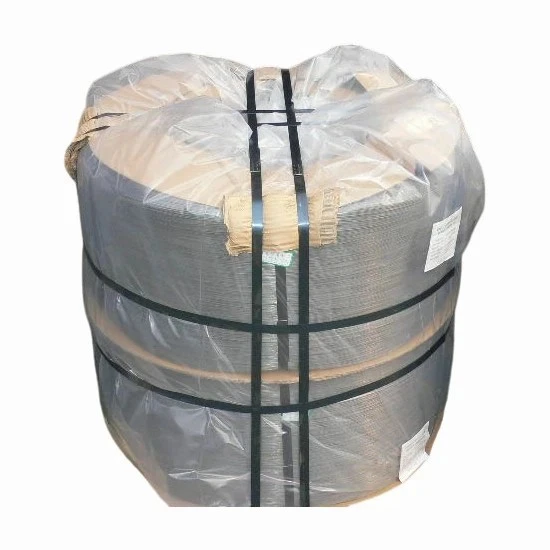
Uncoated steel wire is made from steel, an alloy primarily composed of iron and carbon. It's a raw form of steel wire, free from any additional protective coatings such as zinc, copper, or tin. This lack of coating gives it a straightforward, cost - effective option for many applications where the wire is not exposed to harsh environments.
Factors Affecting the Lifespan of Uncoated Steel Wire
Environmental Conditions
One of the most significant factors is the environment in which the uncoated steel wire is used. In a dry, indoor environment with stable temperature and low humidity, the wire can last for a very long time. For example, in a climate - controlled warehouse where the relative humidity is kept below 50% and the temperature remains between 10°C - 30°C, the wire can potentially last decades without significant corrosion.
However, when exposed to outdoor conditions, the story changes. In coastal areas, where the air is filled with salt particles, uncoated steel wire is highly susceptible to corrosion. Salt accelerates the oxidation process, causing rust to form on the surface of the wire. Within a few months to a couple of years, depending on the severity of the coastal conditions, the wire may start to show signs of degradation. Similarly, in industrial areas with high levels of pollution, acidic gases in the air can react with the iron in the steel, leading to faster corrosion.
Stress and Load
The amount of stress and load the wire is subjected to also impacts its lifespan. If the wire is used in a high - tension application, such as in a suspension bridge cable (although usually coated for long - term use), the internal structure of the steel can be compromised over time. High stress can lead to micro - fractures in the wire, which can then become starting points for corrosion. Even in less extreme applications, like a simple wire fence under constant tension from wind or the weight of attached objects, the wire may experience fatigue. Fatigue can cause the wire to break prematurely, reducing its overall lifespan.
Chemical Exposure
Exposure to chemicals can be extremely detrimental to uncoated steel wire. For instance, if the wire comes into contact with strong acids or alkalis, it can corrode rapidly. In a laboratory setting where chemicals are frequently used, accidental spills on uncoated steel wire structures can lead to immediate and severe damage. In agricultural settings, fertilizers and pesticides can also have a corrosive effect on the wire, especially if they are in contact with the wire for extended periods.
Estimating the Lifespan
Given the numerous variables, it's challenging to provide an exact lifespan for uncoated steel wire. In ideal indoor conditions, as mentioned earlier, it can last upwards of 20 - 30 years. In mild outdoor environments with low humidity and minimal pollution, it might last 5 - 10 years. However, in harsh conditions such as coastal or highly polluted industrial areas, the lifespan could be as short as 1 - 2 years.
Comparison with Coated Steel Wires
To better understand the lifespan of uncoated steel wire, it's useful to compare it with coated steel wires. Hot Dipped Galvanized Steel Wire is coated with a layer of zinc through a hot - dipping process. The zinc acts as a sacrificial anode, corroding in place of the steel. This can extend the lifespan of the wire significantly, especially in outdoor and corrosive environments. In coastal areas, a hot - dipped galvanized steel wire can last 15 - 20 years or more, far longer than its uncoated counterpart.
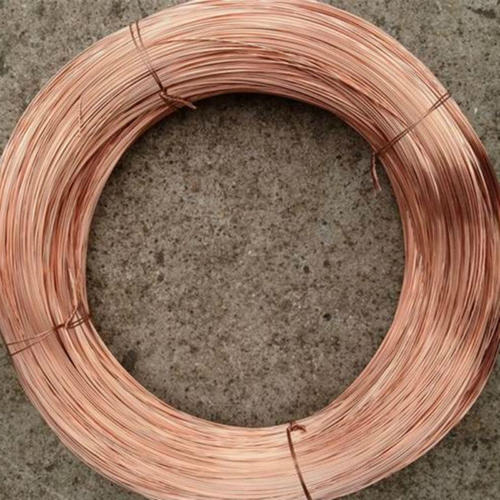
Anti Oxidation Copper Coated Steel Wire provides a different type of protection. The copper coating not only offers a barrier against oxygen and moisture but also has anti - oxidation properties. This type of wire can be used in applications where electrical conductivity is required, and it can have a lifespan of 10 - 15 years in normal outdoor conditions.
Rust Resistant Tin Plated Bronze Steel Wire is another option. The tin plating on the bronze - steel wire provides corrosion resistance, and it can last well in various environments. In less corrosive outdoor settings, it can have a lifespan of around 10 years.
Applications and Lifespan
In different applications, the lifespan of uncoated steel wire varies accordingly. In construction, uncoated steel wire is sometimes used for temporary support structures. In such cases, its relatively short lifespan is acceptable because the structure is only needed for a short period, perhaps a few months to a couple of years.
In the manufacturing of wire mesh for agricultural fencing, uncoated steel wire may be used in areas with low corrosion risk. The lifespan in this application could be around 5 - 10 years, depending on the local environmental conditions.
Extending the Lifespan of Uncoated Steel Wire
Although uncoated steel wire is more vulnerable to corrosion compared to coated wires, there are ways to extend its lifespan. Regular cleaning can remove dirt, dust, and other contaminants that can trap moisture and accelerate corrosion. Applying a protective oil or grease can also create a barrier between the wire and the environment, reducing the rate of oxidation.
Conclusion
In conclusion, the lifespan of uncoated steel wire is highly variable and depends on multiple factors such as environmental conditions, stress and load, and chemical exposure. While it offers a cost - effective solution for many applications, it may not be the best choice for long - term use in harsh environments. Coated steel wires like Hot Dipped Galvanized Steel Wire, Anti Oxidation Copper Coated Steel Wire, and Tin Plated Bronze Steel Wire provide better corrosion resistance and longer lifespans.
If you're considering purchasing uncoated steel wire for your project, I encourage you to reach out to discuss your specific requirements. We can help you determine the most suitable type of wire based on your application and the expected lifespan you need. Whether it's for a short - term construction project or a long - lasting agricultural fence, we have the expertise to guide you.
References
- ASM Handbook Volume 13A: Corrosion: Fundamentals, Testing, and Protection. ASM International.
- "Corrosion of Metals" by Uhlig, H. H., & Revie, R. W. Wiley - Interscience.
- ASTM International standards related to steel wire and corrosion testing.