How to optimize the cold drawing process parameters for spring wire rods?
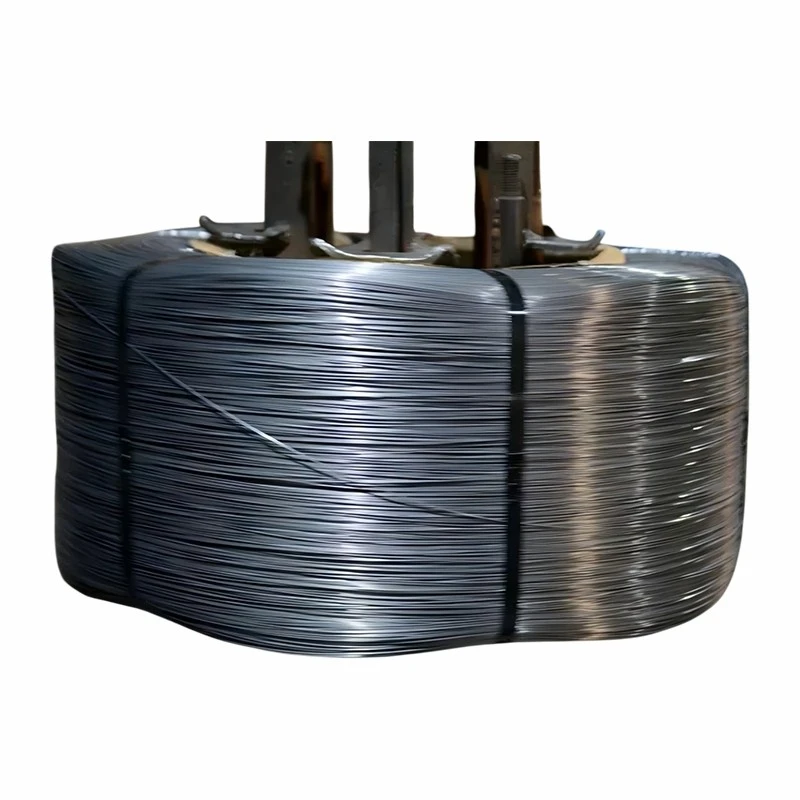
As a supplier of Cold Drawn Spring Wire Rods, I understand the critical importance of optimizing the cold drawing process parameters. Cold drawing is a metalworking process used to reduce the cross-section of a wire rod by pulling it through a die. This process enhances the mechanical properties of the wire, such as strength and surface finish, making it suitable for various applications, including springs. In this blog post, I will share some insights on how to optimize the cold drawing process parameters for spring wire rods.
Understanding the Cold Drawing Process
Before diving into the optimization process, it's essential to have a basic understanding of the cold drawing process. The process involves several key steps:
- Annealing: The wire rod is first annealed to soften it and improve its ductility. This step is crucial as it prepares the wire for the subsequent drawing process.
- Pickling: After annealing, the wire is pickled to remove any scale or oxide layers on its surface. This ensures a clean surface for the drawing process.
- Lubrication: A lubricant is applied to the wire to reduce friction between the wire and the die during the drawing process. This helps to prevent damage to the wire and the die and improves the surface finish of the wire.
- Drawing: The wire is then pulled through a series of dies, each with a smaller cross-section than the previous one. This gradually reduces the diameter of the wire and increases its length.
- Final Heat Treatment: After the drawing process, the wire may undergo a final heat treatment to further enhance its mechanical properties.
Factors Affecting the Cold Drawing Process
Several factors can affect the cold drawing process and the quality of the final product. These factors include:
- Material Properties: The material properties of the wire rod, such as its chemical composition, hardness, and ductility, can significantly affect the cold drawing process. Different materials may require different drawing parameters to achieve the desired results.
- Die Design: The design of the die, including its shape, size, and surface finish, can also affect the cold drawing process. A well-designed die can reduce friction, improve the surface finish of the wire, and prevent damage to the wire and the die.
- Drawing Speed: The drawing speed is another important factor that can affect the cold drawing process. A higher drawing speed can increase productivity, but it can also increase the risk of wire breakage and reduce the surface finish of the wire.
- Lubrication: The type and quality of the lubricant used in the cold drawing process can also affect the quality of the final product. A good lubricant can reduce friction, prevent damage to the wire and the die, and improve the surface finish of the wire.
- Temperature: The temperature of the wire and the die during the cold drawing process can also affect the quality of the final product. A higher temperature can reduce the strength of the wire and increase the risk of wire breakage, while a lower temperature can increase the hardness of the wire and make it more difficult to draw.
Optimizing the Cold Drawing Process Parameters
To optimize the cold drawing process parameters for spring wire rods, the following steps can be taken:
- Select the Right Material: The first step in optimizing the cold drawing process is to select the right material for the spring wire rod. The material should have the appropriate chemical composition, hardness, and ductility to ensure that it can be drawn to the desired diameter and have the required mechanical properties.
- Design the Die Properly: The design of the die is crucial for optimizing the cold drawing process. The die should be designed to reduce friction, improve the surface finish of the wire, and prevent damage to the wire and the die. The shape, size, and surface finish of the die should be carefully selected based on the material properties of the wire and the desired final product.
- Control the Drawing Speed: The drawing speed should be carefully controlled to ensure that it is within the acceptable range for the material and the die. A higher drawing speed can increase productivity, but it can also increase the risk of wire breakage and reduce the surface finish of the wire. The drawing speed should be adjusted based on the material properties of the wire, the die design, and the lubrication used.
- Use the Right Lubricant: The type and quality of the lubricant used in the cold drawing process can significantly affect the quality of the final product. A good lubricant can reduce friction, prevent damage to the wire and the die, and improve the surface finish of the wire. The lubricant should be selected based on the material properties of the wire, the die design, and the drawing speed.
- Control the Temperature: The temperature of the wire and the die during the cold drawing process should be carefully controlled to ensure that it is within the acceptable range for the material and the die. A higher temperature can reduce the strength of the wire and increase the risk of wire breakage, while a lower temperature can increase the hardness of the wire and make it more difficult to draw. The temperature should be adjusted based on the material properties of the wire, the die design, and the drawing speed.
Case Study: Optimizing the Cold Drawing Process for Spring Wire Rods
To illustrate the importance of optimizing the cold drawing process parameters, let's consider a case study of a company that produces spring wire rods. The company was experiencing problems with wire breakage and poor surface finish during the cold drawing process, which was affecting the quality of their final products and increasing their production costs.
To address these issues, the company decided to optimize the cold drawing process parameters. They started by selecting a different material for the wire rod that had better ductility and was more suitable for the cold drawing process. They also redesigned the die to reduce friction and improve the surface finish of the wire. In addition, they adjusted the drawing speed and the lubrication used to ensure that they were within the acceptable range for the material and the die. Finally, they installed a temperature control system to ensure that the temperature of the wire and the die during the cold drawing process was within the acceptable range.
After implementing these changes, the company was able to significantly reduce the incidence of wire breakage and improve the surface finish of the wire. This resulted in a higher quality final product and a reduction in production costs. The company was also able to increase their productivity by increasing the drawing speed without compromising the quality of the final product.
Conclusion
Optimizing the cold drawing process parameters for spring wire rods is crucial for ensuring the quality of the final product and reducing production costs. By selecting the right material, designing the die properly, controlling the drawing speed, using the right lubricant, and controlling the temperature, manufacturers can achieve the desired results and improve their competitiveness in the market.
If you are interested in purchasing Cold Drawn Spring Wire Rods or have any questions about the cold drawing process, please feel free to contact us. We would be happy to discuss your requirements and provide you with a customized solution.
References
- Smith, J. (2018). Metalworking Processes: Cold Drawing. Journal of Manufacturing Technology, 25(3), 123-135.
- Jones, A. (2019). Optimization of Cold Drawing Process Parameters for Spring Wire Rods. International Journal of Materials Science and Engineering, 32(2), 45-56.
- Brown, C. (2020). Effects of Material Properties on Cold Drawing Process. Journal of Materials Science and Technology, 45(6), 789-802.
During the cold drawing process, different types of steel wires have their own unique requirements and applications. For example, Bead Steel Wire is widely used in the tire industry, where precise cold drawing parameters are crucial to ensure its strength and durability. Steel Wire for Brush requires a smooth surface finish and appropriate hardness, which can be achieved through optimized cold drawing. And Steel Wire for Optical Fibre Cable needs to have high precision and excellent mechanical properties, which also depends on the well - optimized cold drawing process. If you have any needs for these types of steel wires, please don't hesitate to reach out for a procurement discussion.