

What is the research status of electrolytic phosphating at home and abroad?
Hey there! As a supplier of electrolytic phosphating products, I've been keeping a close eye on the research status of electrolytic phosphating both at home and abroad. In this blog, I'll share with you what's going on in this field and how our products fit into the picture.
What is Electrolytic Phosphating?
Before we dive into the research status, let's quickly go over what electrolytic phosphating is. Electrolytic phosphating is a process that uses an electric current to deposit a phosphate coating on a metal surface. This coating provides corrosion resistance, improves paint adhesion, and reduces friction, making it useful in a variety of industries, including automotive, aerospace, and manufacturing.
Research Status Abroad
In many developed countries, research on electrolytic phosphating has been going on for quite some time. Scientists and engineers are constantly looking for ways to improve the process efficiency, reduce environmental impact, and enhance the quality of the phosphate coatings.
One of the key areas of research abroad is the development of new phosphating agents. These agents can not only improve the performance of the coating but also make the process more environmentally friendly. For example, some research focuses on using less toxic or even non - toxic chemicals in the phosphating solution. This helps to meet the strict environmental regulations in these countries.
Another aspect is the optimization of the electrolytic process parameters. By adjusting factors such as current density, temperature, and treatment time, researchers aim to achieve a more uniform and dense phosphate coating. This can significantly improve the corrosion resistance and other properties of the coated metal.
There's also a growing interest in the application of electrolytic phosphating in high - tech industries. For instance, in the aerospace industry, the demand for lightweight and high - strength materials with excellent corrosion resistance is increasing. Electrolytic phosphating can be used to treat some advanced alloys, which are widely used in aircraft components.
Research Status at Home
In my country, the research on electrolytic phosphating has also made great progress in recent years. With the rapid development of the manufacturing industry, there is a strong need for high - quality phosphating technology.
Domestic researchers are working on similar aspects as their foreign counterparts. They are trying to develop new types of phosphating agents that are more suitable for local industrial needs. For example, some research is focused on improving the performance of phosphating agents for specific metals that are commonly used in domestic manufacturing, such as certain types of steel.
In addition, there are efforts to integrate electrolytic phosphating technology with other surface treatment processes. This can create a more comprehensive surface protection system for metals, which is very important for industries like automotive manufacturing, where the durability of the metal parts is crucial.
Moreover, the government is also promoting the development of green and sustainable phosphating technology. This has led to more research on reducing the energy consumption and waste generation in the electrolytic phosphating process.
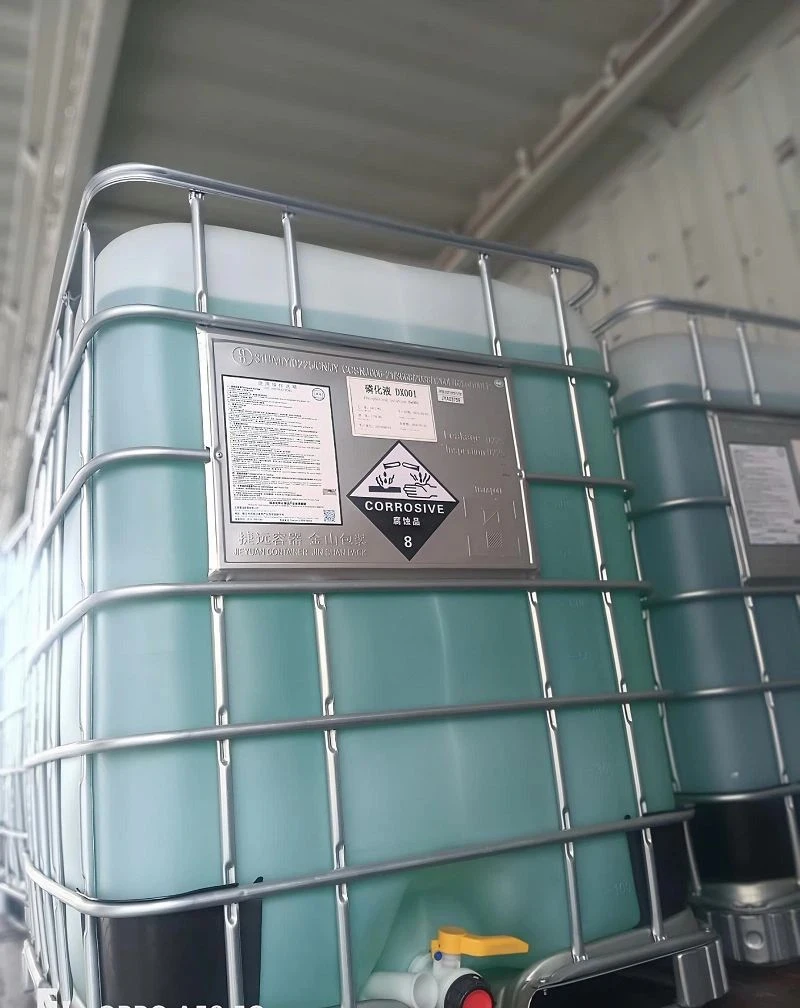

Our Products in the Picture
As a supplier of electrolytic phosphating products, we are committed to providing high - quality solutions that meet the needs of different industries. We have two main product lines that I'd like to introduce to you.
First, we have the Hot - rolled Wire Rod Phosphatizing Agents. These agents are specifically designed for hot - rolled wire rods. They can form a uniform and dense phosphate coating on the wire rods, which improves their corrosion resistance and also facilitates subsequent processing, such as cold drawing. Our agents are formulated based on the latest research findings, ensuring that they can provide excellent performance in the electrolytic phosphating process.
Second, our Online Multi - filament Electrolytic Phosphatizing Agents are suitable for the treatment of multi - filament materials. These agents can be used in continuous production lines, providing efficient and high - quality phosphating treatment. They can also adapt to different process conditions, making them very flexible for various industrial applications.
Why Choose Our Products?
There are several reasons why you should consider our electrolytic phosphating products. Firstly, our products are developed based on the latest research results, both at home and abroad. This means that you can get the most advanced technology and performance in your phosphating process.
Secondly, we offer excellent after - sales service. Our technical team is always ready to provide you with support and advice on using our products. Whether you have questions about the process parameters or need help with troubleshooting, we've got you covered.
Thirdly, we are committed to environmental protection. Our phosphating agents are designed to be as environmentally friendly as possible, which can help you meet the environmental requirements of your industry.
Let's Connect
If you are in the market for electrolytic phosphating products, I encourage you to reach out to us. We can have a detailed discussion about your specific needs and how our products can fit into your production process. Whether you are in the automotive, aerospace, or any other industry that requires high - quality phosphating technology, we are here to serve you.
Don't hesitate to contact us and start a procurement negotiation. We believe that through cooperation, we can achieve great results together and contribute to the development of your business.
References
- Smith, J. (2020). Advances in Electrolytic Phosphating Technology. Journal of Surface Treatment, 15(2), 34 - 45.
- Wang, L. (2021). Research on Domestic Electrolytic Phosphating for Manufacturing Industry. Chinese Journal of Manufacturing Technology, 22(3), 67 - 78.
- Green, A. (2019). Environmental Considerations in Electrolytic Phosphating Abroad. International Journal of Environmental Science, 12(4), 56 - 68.