

Can brass coated steel wire be used in automotive applications?
Brass coated steel wire is a versatile material that combines the strength of steel with the corrosion - resistance and conductivity of brass. As a supplier of brass coated steel wire, I often get asked whether this type of wire can be used in automotive applications. In this blog post, I will explore the properties of brass coated steel wire and its potential uses in the automotive industry.
Properties of Brass Coated Steel Wire
Brass is an alloy composed mainly of copper and zinc. When steel wire is coated with brass, it inherits several beneficial properties. First and foremost, brass provides excellent corrosion resistance. In the automotive environment, where vehicles are exposed to various elements such as water, road salt, and chemicals, corrosion can be a major issue. The brass coating acts as a barrier, protecting the underlying steel from rust and other forms of corrosion, which helps to extend the lifespan of the wire and the components it is used in.
Secondly, brass has good electrical conductivity. This property is crucial in many automotive systems, especially those related to electrical and electronic components. The brass coating allows for efficient transmission of electrical signals, which is essential for the proper functioning of sensors, actuators, and other electrical devices in modern vehicles.
In addition, brass coated steel wire has good mechanical properties. Steel itself is known for its high strength and durability, and the brass coating does not significantly compromise these qualities. The wire can withstand high tensile forces, making it suitable for applications where strength is required, such as in suspension systems or seat belts.
Potential Automotive Applications
Tire Reinforcement
One of the most well - known applications of brass coated steel wire in the automotive industry is tire reinforcement. Tires need to be strong and durable to withstand the weight of the vehicle, the forces generated during driving, and the wear and tear from the road surface. Brass coated steel wire is used as a reinforcement material in the tire's carcass and belts. The wire provides the necessary strength and stiffness to the tire, helping to maintain its shape and improve its performance. The brass coating also promotes good adhesion between the wire and the rubber compound in the tire, ensuring that the reinforcement remains in place and functions effectively.
Electrical Wiring
As mentioned earlier, the electrical conductivity of brass coated steel wire makes it a suitable candidate for automotive electrical wiring. In modern vehicles, there is a complex network of electrical wires that connect various components, including the engine control unit, lighting systems, and entertainment systems. The brass coating on the steel wire helps to reduce electrical resistance, which means less energy is wasted as heat during the transmission of electrical current. This can lead to improved fuel efficiency and better overall performance of the vehicle's electrical systems.
Suspension Components
The high strength and durability of brass coated steel wire make it suitable for use in suspension components. For example, it can be used in the manufacture of coil springs or stabilizer bars. These components need to be able to withstand the constant stress and vibration generated by the vehicle's movement. The brass coating protects the steel wire from corrosion, which is particularly important in suspension components as they are often exposed to water and road debris.
Seat Belts
Seat belts are a critical safety feature in vehicles. They need to be strong enough to restrain passengers in the event of a collision. Brass coated steel wire can be used in the construction of seat belt retractors or the webbing itself. The wire's high tensile strength ensures that the seat belt can withstand the forces exerted during a sudden stop or impact. The corrosion - resistant brass coating also helps to maintain the integrity of the wire over time, ensuring the long - term reliability of the seat belt system.
Advantages Over Other Types of Coated and Uncoated Steel Wires
Compared to Anti Oxidation Copper Coated Steel Wire, brass coated steel wire offers a good balance between corrosion resistance and cost. Copper coated steel wire provides excellent corrosion protection, but copper is generally more expensive than brass. Brass coated steel wire can achieve a similar level of corrosion resistance at a lower cost, making it a more economical choice for many automotive applications.
When compared to Hot Dipped Galvanized Steel Wire, brass coated steel wire has better electrical conductivity. Galvanized steel wire is coated with zinc, which is a good corrosion - resistant material but has relatively poor electrical conductivity compared to brass. In applications where electrical conductivity is important, such as in electrical wiring, brass coated steel wire is a better option.
Uncoated Steel Wire is clearly at a disadvantage in the automotive environment. Without a protective coating, uncoated steel wire is highly susceptible to corrosion. This can lead to a reduction in the wire's strength and durability over time, which can compromise the performance and safety of the automotive components it is used in.
Considerations and Challenges
While brass coated steel wire has many advantages for automotive applications, there are also some considerations and challenges. One of the main challenges is the potential for the brass coating to react with certain chemicals or substances in the automotive environment. For example, exposure to sulfur - containing compounds can cause the brass coating to tarnish or corrode. This can be mitigated by proper surface treatment and the use of protective coatings on top of the brass.
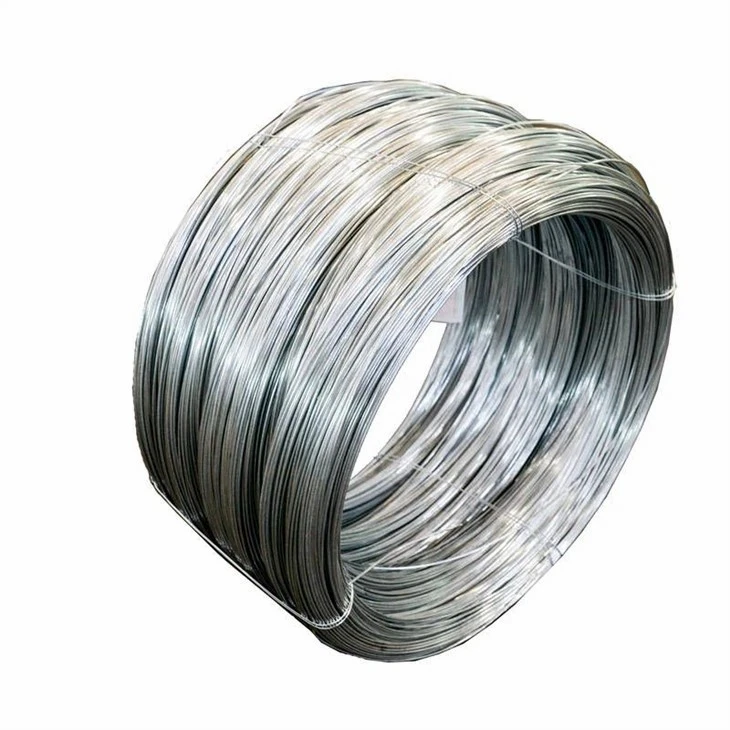

Another consideration is the manufacturing process. Producing high - quality brass coated steel wire requires precise control of the coating thickness and quality. Any inconsistencies in the coating can affect the wire's performance, especially in applications where corrosion resistance or electrical conductivity is critical.
Conclusion
In conclusion, brass coated steel wire can indeed be used in a wide range of automotive applications. Its combination of corrosion resistance, electrical conductivity, and mechanical strength makes it a valuable material for the automotive industry. Whether it is used in tire reinforcement, electrical wiring, suspension components, or seat belts, brass coated steel wire can contribute to the performance, safety, and durability of vehicles.
If you are in the automotive industry and are looking for a reliable supplier of brass coated steel wire, I encourage you to reach out to us. We have extensive experience in producing high - quality brass coated steel wire that meets the strict requirements of the automotive sector. Our team of experts can work with you to understand your specific needs and provide customized solutions. Contact us today to start a discussion about your procurement requirements.
References
- "Automotive Materials Handbook" by ASM International
- "Materials Science and Engineering: An Introduction" by William D. Callister Jr. and David G. Rethwisch
- Technical reports from major automotive manufacturers on material selection for various components.