

How does the strength level affect the application of uncoated steel wire?
Hey there! As a supplier of Uncoated Steel Wire, I've seen firsthand how the strength level of this product can have a huge impact on its applications. In this blog, I'm gonna break down how different strength levels of uncoated steel wire play out in various real - world scenarios.
Let's start by understanding what we mean by the strength level of uncoated steel wire. The strength of steel wire is typically measured in terms of its tensile strength, which is the maximum amount of pulling force the wire can withstand before it breaks. It's affected by factors like the composition of the steel, the manufacturing process, and the heat treatment it undergoes.
Low - strength Uncoated Steel Wire
Low - strength uncoated steel wire usually has a tensile strength in the range of 300 - 600 MPa. This type of wire is relatively flexible and easy to work with.
One of the most common applications of low - strength uncoated steel wire is in the agricultural sector. Farmers often use it for making fences. Since the wire doesn't need to withstand extremely high forces in a typical farm fence, low - strength wire is more than sufficient. It can be easily bent and shaped around fence posts, and it's cost - effective. For example, if you're fencing off a small vegetable garden to keep out small animals, a low - strength uncoated steel wire will do the job just fine.
In the handicraft industry, low - strength wire is also a popular choice. Artists and hobbyists use it to create jewelry, sculptures, and other decorative items. Its flexibility allows for intricate designs. You can easily twist, curl, and shape the wire into different forms without much effort. And because it's uncoated, it gives a raw, industrial look that some people really dig for their art projects.
Another area where low - strength uncoated steel wire is used is in packaging. It can be used to bundle up light - weight items. For instance, small boxes or bundles of papers can be secured with this type of wire. The low strength is enough to hold the items together during transportation and storage.
Medium - strength Uncoated Steel Wire
Medium - strength uncoated steel wire has a tensile strength in the range of 600 - 1000 MPa. It's stronger than the low - strength wire but still retains a good amount of flexibility.
In the construction industry, medium - strength uncoated steel wire is used for making wire mesh. Wire mesh is used for a variety of purposes, such as reinforcement in concrete slabs, partitions, and safety barriers. The medium strength allows the wire mesh to withstand moderate loads. For example, in a concrete slab, the wire mesh helps to distribute the load evenly and prevent cracking.
In the automotive industry, this type of wire is used in some non - critical components. For example, it can be used in the manufacturing of seat springs. The medium strength provides enough support for the seat while still allowing for some flexibility to ensure a comfortable ride.
Also, in the furniture industry, medium - strength uncoated steel wire is used for making frames for certain types of chairs and sofas. It can support the weight of a person sitting on the furniture and maintain its shape over time.
High - strength Uncoated Steel Wire
High - strength uncoated steel wire has a tensile strength of over 1000 MPa. It's much stiffer and can withstand very high forces.
One of the major applications of high - strength uncoated steel wire is in the suspension bridge construction. The cables of suspension bridges are made from high - strength steel wire. These cables need to support the entire weight of the bridge deck and the traffic on it. The high strength ensures the safety and stability of the bridge. For example, the Golden Gate Bridge in San Francisco uses high - strength steel cables to support its massive structure.
In the mining industry, high - strength uncoated steel wire is used for hoisting and hauling. Mines need to lift heavy loads of ore and equipment from deep underground. High - strength wire ropes made from this type of wire can handle these heavy loads without breaking.
In the aerospace industry, high - strength uncoated steel wire is used in some critical components. For example, it can be used in the control cables of an aircraft. These cables need to be able to transmit precise control signals and withstand high forces during flight.
Comparing with Coated Steel Wires
Now, you might be wondering how uncoated steel wire stacks up against coated steel wires like Anti Oxidation Copper Coated Steel Wire and Hot Dipped Galvanized Steel Wire.
Coated steel wires offer better corrosion resistance. In environments where the wire is exposed to moisture, chemicals, or harsh weather conditions, coated wires are a better choice. However, uncoated steel wire has its own advantages. It's usually cheaper than coated wires, and in applications where corrosion isn't a major concern, it can be a more practical option.
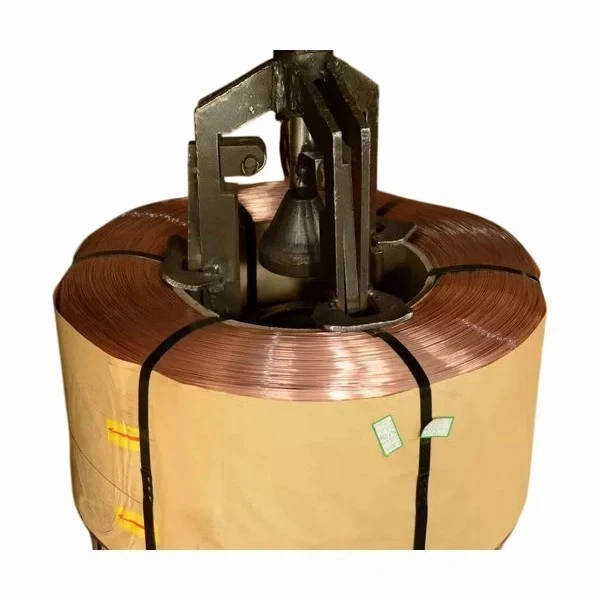

For example, in an indoor environment like a factory workshop where the wire is protected from the elements, uncoated steel wire can be used without worrying too much about rust. And if you're on a tight budget and the application doesn't require high - end corrosion protection, uncoated steel wire is the way to go.
Conclusion
As you can see, the strength level of uncoated steel wire is a crucial factor that determines its applications. Whether it's low - strength wire for agricultural and handicraft uses, medium - strength wire for construction and automotive components, or high - strength wire for heavy - duty applications like bridges and mining, there's a perfect strength level for every need.
If you're in the market for uncoated steel wire, I'd love to have a chat with you. We've got a wide range of strength levels and wire diameters to choose from, and we can provide you with the best solution for your specific application. Whether you're a farmer, an artist, a construction worker, or from any other industry, we're here to help. So, don't hesitate to reach out and start a conversation about your uncoated steel wire needs.
References
- "Steel Wire Handbook" - This comprehensive handbook provides detailed information about the properties and applications of different types of steel wire.
- Industry reports on the agricultural, construction, and automotive sectors, which offer insights into the use of steel wire in these industries.