

How does the brass coating on steel wire perform in cold - weather conditions?
As a supplier of Brass Coated Steel Wire, I've witnessed firsthand the importance of understanding how different wire coatings perform under various environmental conditions. One question that frequently arises from our customers is how the brass coating on steel wire performs in cold-weather conditions. In this blog post, I'll delve into the science behind brass-coated steel wire and its behavior in cold temperatures.
The Basics of Brass Coated Steel Wire
Before we discuss its performance in cold weather, let's briefly review what brass-coated steel wire is. Brass is an alloy composed primarily of copper and zinc. When applied as a coating to steel wire, brass offers several advantages. It provides excellent corrosion resistance, enhances solderability, and improves the wire's overall durability. This makes brass-coated steel wire a popular choice in a wide range of applications, including automotive tires, wire ropes, and electrical cables.
Cold-Weather Conditions and Their Impact on Materials
Cold weather can have a significant impact on the mechanical and chemical properties of materials. As temperatures drop, materials tend to become more brittle, which can increase the risk of cracking and failure. Additionally, cold weather can also accelerate the corrosion process, especially in the presence of moisture and salt.
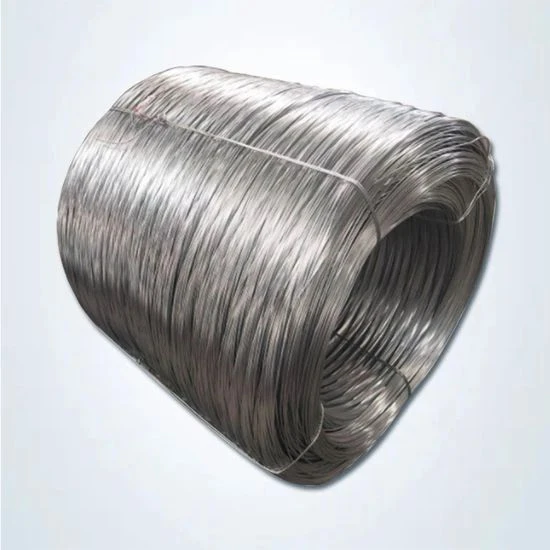
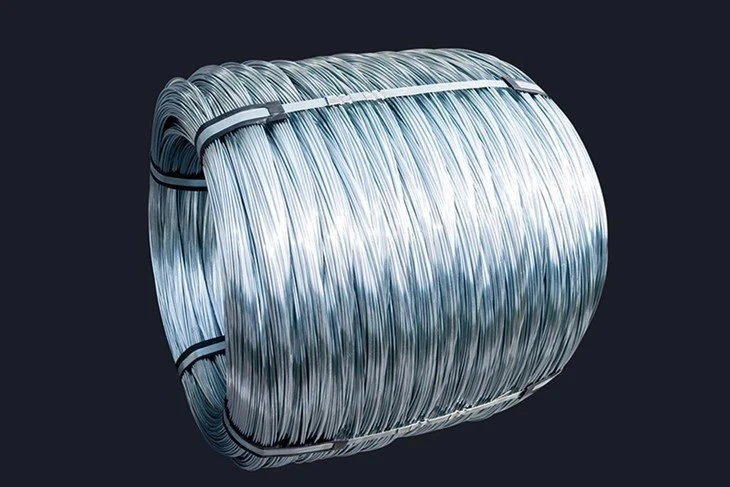
How Brass Coating Protects Steel Wire in Cold Weather
One of the key benefits of brass coating is its ability to protect the underlying steel wire from corrosion, even in cold-weather conditions. The brass coating acts as a barrier, preventing moisture and oxygen from reaching the steel surface. This is particularly important in cold climates, where snow and ice can create a wet environment that promotes corrosion.
In addition to its corrosion resistance, brass also has good ductility, which means it can deform without breaking. This property is crucial in cold weather, as it allows the wire to withstand the stresses caused by temperature changes and mechanical loads. For example, in a wire rope used in a cold-weather construction site, the brass coating helps the wire maintain its flexibility and strength, reducing the risk of breakage.
Comparing Brass Coated Steel Wire with Other Coatings in Cold Weather
To better understand the performance of brass-coated steel wire in cold weather, let's compare it with two other common wire coatings: uncoated steel wire and hot-dipped galvanized steel wire.
- Uncoated Steel Wire: Uncoated Steel Wire is highly susceptible to corrosion, especially in cold and wet conditions. Without a protective coating, the steel surface is exposed to moisture and oxygen, which can lead to rust and corrosion. Over time, this can weaken the wire and reduce its lifespan. In contrast, brass-coated steel wire provides a reliable barrier against corrosion, ensuring long-term performance in cold weather.
- Hot Dipped Galvanized Steel Wire: Hot Dipped Galvanized Steel Wire is another popular choice for corrosion protection. Galvanizing involves coating the steel wire with a layer of zinc, which also acts as a sacrificial anode to protect the steel. While galvanized wire offers good corrosion resistance, it may not be as effective as brass-coated wire in certain cold-weather applications. Brass has a lower coefficient of thermal expansion than zinc, which means it can better withstand temperature changes without cracking or peeling. Additionally, brass has better solderability and electrical conductivity than zinc, making it a preferred choice for electrical applications.
Case Studies: Real-World Performance of Brass Coated Steel Wire in Cold Weather
To illustrate the practical benefits of brass-coated steel wire in cold weather, let's look at a few case studies.
- Automotive Tires: In cold climates, automotive tires are subjected to extreme temperature variations and harsh road conditions. Brass-coated steel wire is commonly used in tire reinforcement to provide strength and durability. The brass coating protects the wire from corrosion, ensuring that the tire maintains its structural integrity over time. This is especially important in regions where road salt is used to melt ice and snow, as salt can accelerate the corrosion process.
- Wire Ropes for Construction: Construction sites in cold weather often require the use of wire ropes for lifting and rigging operations. Brass-coated steel wire ropes offer excellent resistance to corrosion and abrasion, making them ideal for these applications. The ductility of the brass coating allows the wire rope to flex and bend without breaking, even in low temperatures. This helps to prevent accidents and ensure the safety of workers on the construction site.
Factors Affecting the Performance of Brass Coated Steel Wire in Cold Weather
While brass-coated steel wire generally performs well in cold weather, there are several factors that can affect its performance. These include:
- Coating Thickness: The thickness of the brass coating plays a crucial role in its corrosion resistance. A thicker coating provides better protection against moisture and oxygen, reducing the risk of corrosion. However, a very thick coating may also increase the stiffness of the wire, which can affect its flexibility and ease of handling.
- Temperature Range: The performance of brass-coated steel wire can vary depending on the temperature range. In extremely cold temperatures, the wire may become more brittle, increasing the risk of cracking. It's important to choose a wire with a coating that is suitable for the specific temperature conditions of the application.
- Exposure to Moisture and Salt: As mentioned earlier, moisture and salt can accelerate the corrosion process. In cold weather, snow and ice can create a wet environment that promotes corrosion. Additionally, road salt used to melt ice can further increase the corrosive effects. To minimize the impact of moisture and salt, it's important to ensure that the wire is properly protected and maintained.
Maintenance and Care of Brass Coated Steel Wire in Cold Weather
To ensure the long-term performance of brass-coated steel wire in cold weather, proper maintenance and care are essential. Here are some tips:
- Regular Inspection: Inspect the wire regularly for signs of corrosion, damage, or wear. Look for any areas where the coating may be peeling or cracking, as this can expose the underlying steel to moisture and oxygen.
- Cleaning: Keep the wire clean and dry to prevent the accumulation of dirt, debris, and moisture. If the wire has been exposed to salt or other corrosive substances, rinse it thoroughly with clean water and dry it immediately.
- Lubrication: Apply a suitable lubricant to the wire to reduce friction and wear. This can help to prevent the wire from becoming brittle and cracking in cold weather.
Conclusion
In conclusion, brass-coated steel wire offers excellent performance in cold-weather conditions. Its corrosion resistance, ductility, and other properties make it a reliable choice for a wide range of applications. Whether you're in the automotive, construction, or electrical industry, Brass Coated Steel Wire can provide the strength and durability you need to withstand the challenges of cold weather.
If you're interested in learning more about our brass-coated steel wire products or have any questions about their performance in cold weather, please don't hesitate to contact us. We're here to help you find the right solution for your specific needs.
References
- ASM Handbook, Volume 13A: Corrosion: Fundamentals, Testing, and Protection
- ASTM International Standards for Steel Wire and Wire Products
- Corrosion Resistance of Metals and Alloys, Second Edition by George S. Frankel