

How to determine the quality of steel wire?
As a seasoned steel wire supplier, I've witnessed firsthand the critical importance of determining the quality of steel wire. Whether it's for construction, manufacturing, or other specialized applications, the quality of steel wire can significantly impact the performance and longevity of the end product. In this blog post, I'll share some key factors and methods to help you accurately assess the quality of steel wire.
Chemical Composition
The chemical composition of steel wire is the foundation of its quality. Different elements in steel wire play unique roles in determining its properties.
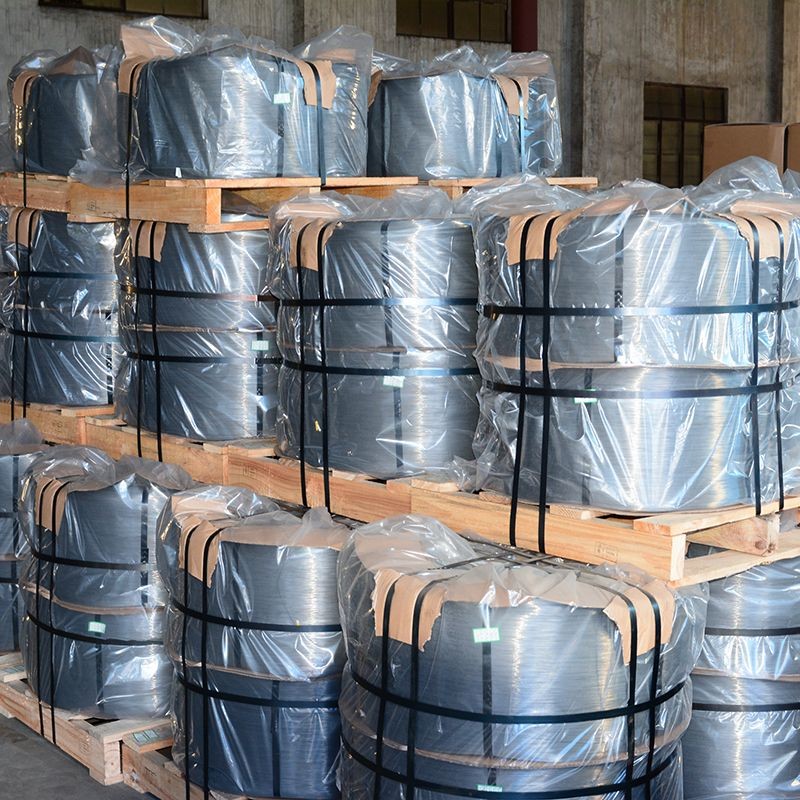
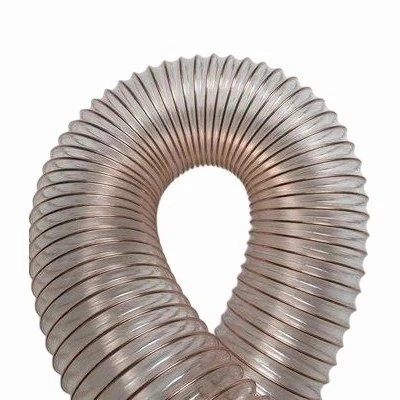
- Carbon (C): Carbon is one of the most important elements in steel wire. It significantly affects the strength and hardness of the wire. Generally, as the carbon content increases, the strength and hardness of the steel wire also increase, but its ductility and toughness decrease. For example, high - carbon steel wires are often used in applications where high strength is required, such as in the production of springs.
- Manganese (Mn): Manganese helps to improve the hardenability and strength of steel wire. It also acts as a deoxidizer during the steel - making process, reducing the amount of harmful impurities like sulfur.
- Silicon (Si): Silicon is used as a deoxidizer and can enhance the strength and hardness of steel wire. It also improves the wire's resistance to oxidation at high temperatures.
- Sulfur (S) and Phosphorus (P): These are usually considered impurities in steel wire. High levels of sulfur and phosphorus can reduce the ductility, toughness, and weldability of the wire. Therefore, the content of sulfur and phosphorus in high - quality steel wire should be strictly controlled.
To determine the chemical composition of steel wire, advanced analytical techniques such as spectrometry can be used. Spectrometry can accurately measure the content of various elements in the wire, allowing you to ensure that the wire meets the required chemical specifications.
Mechanical Properties
The mechanical properties of steel wire are crucial for its performance in different applications.
- Tensile Strength: Tensile strength is the maximum stress that a steel wire can withstand before breaking under tension. It is an important indicator of the wire's ability to resist stretching forces. High - tensile steel wires are commonly used in applications such as suspension bridges and prestressed concrete structures. To measure the tensile strength, a tensile test is typically conducted using a universal testing machine. The wire is gradually pulled until it breaks, and the maximum force applied is recorded to calculate the tensile strength.
- Yield Strength: Yield strength is the stress at which a steel wire begins to deform plastically. It represents the wire's ability to return to its original shape after being subjected to stress. In many applications, it is important to ensure that the wire operates within its elastic range, so the yield strength is a critical parameter.
- Elongation: Elongation measures the percentage increase in the length of a steel wire after it has been stretched to the point of fracture. It reflects the wire's ductility. High - elongation steel wires are more suitable for applications where the wire needs to be bent or formed without breaking, such as in the production of Steel Wire for Brush.
- Hardness: Hardness is a measure of the wire's resistance to indentation or scratching. It is related to the wire's strength and wear resistance. Different hardness testing methods, such as the Rockwell hardness test or the Brinell hardness test, can be used to measure the hardness of steel wire.
Surface Quality
The surface quality of steel wire can also have a significant impact on its performance and service life.
- Surface Defects: Surface defects such as cracks, scratches, and pits can weaken the steel wire and make it more prone to corrosion and fatigue failure. During the manufacturing process, strict quality control measures should be implemented to minimize surface defects. Visual inspection is a simple and effective method to detect obvious surface defects. For more detailed inspection, non - destructive testing methods such as magnetic particle inspection or ultrasonic testing can be used to detect internal and surface - near defects.
- Coating Quality: Many steel wires are coated to improve their corrosion resistance. For example, galvanized steel wire is coated with a layer of zinc to protect it from rusting. The quality of the coating, including its thickness, uniformity, and adhesion, is crucial. A well - coated steel wire can have a much longer service life, especially in harsh environments. To evaluate the coating quality, methods such as coating thickness measurement and adhesion testing can be used.
Dimensional Accuracy
Dimensional accuracy is essential for the proper fit and function of steel wire in different applications.
- Diameter Tolerance: The diameter of steel wire should be within a specified tolerance range. Deviations from the standard diameter can affect the wire's mechanical properties and its compatibility with other components. Precise measuring tools such as micrometers or calipers are used to measure the diameter of the wire and ensure it meets the required specifications.
- Length and Straightness: In some applications, the length and straightness of the steel wire are also important. For example, in the production of Flexible Duct Wire, the wire needs to be of the correct length and straight enough to ensure proper installation and performance.
Application - Specific Requirements
Different applications have different requirements for steel wire quality.
- Optical Fibre Cable: Steel Wire for Optical Fibre Cable needs to have excellent flexibility, corrosion resistance, and low magnetic properties to avoid interference with the optical signals. The wire should also be able to withstand the mechanical stresses during installation and long - term use.
- Flexible Ducts: Flexible duct wire should have sufficient flexibility to allow for easy bending and shaping, as well as enough strength to maintain the shape of the duct. It should also be resistant to corrosion and abrasion.
- Brushes: Steel wire for brushes needs to have the right hardness and flexibility to effectively clean or scrub surfaces without causing damage. It should also be resistant to wear to ensure a long service life.
In conclusion, determining the quality of steel wire requires a comprehensive assessment of its chemical composition, mechanical properties, surface quality, dimensional accuracy, and application - specific requirements. As a steel wire supplier, we are committed to providing high - quality steel wire products that meet the strictest quality standards. If you are in need of steel wire for your project, we encourage you to contact us for a detailed discussion about your requirements and to explore the best - suited solutions for you.
References
- ASM Handbook Volume 1: Properties and Selection: Irons, Steels, and High - Performance Alloys
- ASTM Standards for Steel Wire Products
- "Steel Metallurgy and Applications" by George E. Totten and D. Scott MacKenzie