

What are the acoustic properties of uncoated steel wire?
Hey there! As a supplier of Uncoated Steel Wire, I've got a lot to share about its acoustic properties. You might be wondering why on earth we'd even care about the sound of a piece of wire, but trust me, it's pretty fascinating stuff, and it can have some real - world applications.
First off, let's talk about what uncoated steel wire is. Unlike Brass Coated Steel Wire or Tin Plated Bronze Steel Wire, uncoated steel wire doesn't have that extra layer of protection or aesthetic coating. It's just pure steel, which gives it some unique acoustic characteristics.
One of the most noticeable things about uncoated steel wire is its high stiffness. Steel is a relatively stiff material compared to a lot of other metals and materials out there. When you pluck or strike an uncoated steel wire, this stiffness causes it to vibrate in a very distinct way. The vibrations are quick and sharp, producing a clear, high - pitched sound. Think of a guitar string. When you use an uncoated steel string, the notes are bright and can really cut through the mix. This is because the stiffness of the wire allows it to transfer energy efficiently into the air as sound waves.
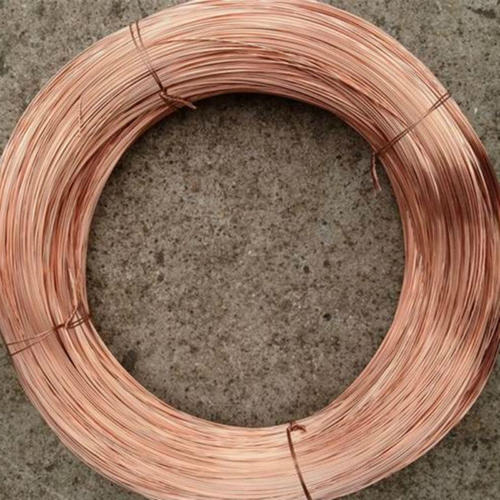
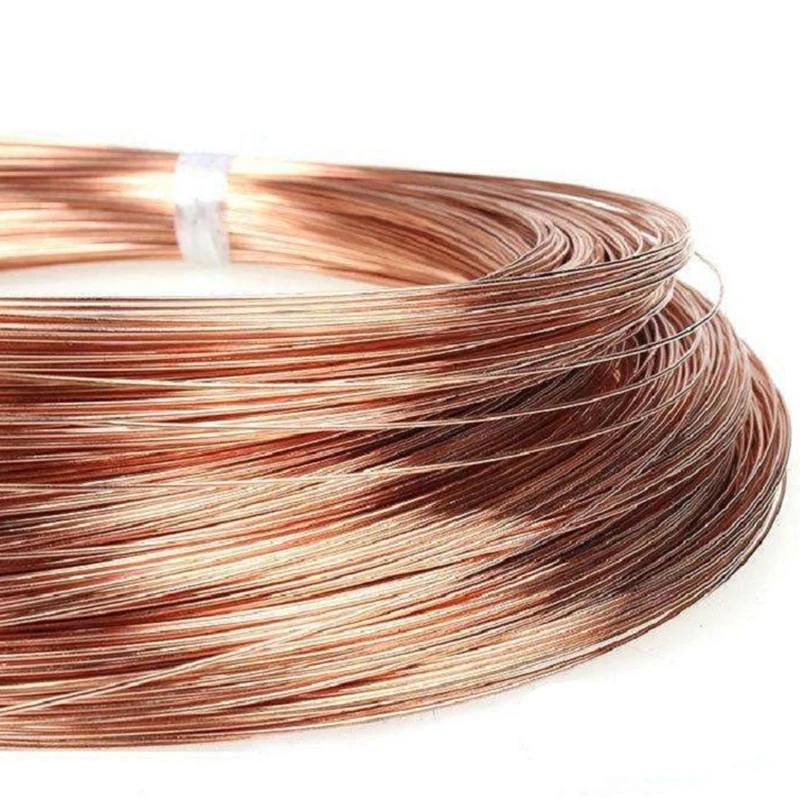
The density of the steel also plays a huge role in its acoustic properties. Steel is a dense material, and this density affects the way the wire vibrates. Denser materials generally have lower fundamental frequencies. So, when you have a thicker or more massive uncoated steel wire, it will produce a lower - pitched sound compared to a thinner one. This is similar to how a cello string, which is thicker and denser than a violin string, produces a much lower pitch.
Another aspect to consider is the damping characteristics of uncoated steel wire. Damping refers to how quickly the vibrations of the wire die out. Uncoated steel wire has relatively low damping. What this means is that once you set the wire in motion, it will continue to vibrate for a relatively long time. This results in a sustained sound. In musical instruments, this can be a huge advantage. For example, in a piano, the steel strings are designed to have low damping so that the notes can ring out and blend together beautifully.
The surface finish of the uncoated steel wire also impacts its acoustic properties. Since it's uncoated, the surface is smooth and clean. This smooth surface allows the wire to vibrate more freely without any interference from a coating. A rough or uneven surface can cause the vibrations to be irregular, which would result in a less pure and more muddled sound. The smoothness of the uncoated steel wire helps to produce a more consistent and pure tone.
Now, let's talk about how these acoustic properties translate into real - world applications. In the music industry, uncoated steel wire is widely used in stringed instruments. Guitars, violins, and pianos all rely on the unique sound produced by steel strings. The bright, clear tones and long sustain are highly sought after by musicians. In fact, many professional musicians prefer uncoated steel strings for their recording sessions because of the high - quality sound they can achieve.
In the field of acoustics research, uncoated steel wire is often used as a reference material. Its well - defined acoustic properties make it a great standard for comparing the performance of other materials. Scientists can study how different factors, such as temperature and humidity, affect the acoustic behavior of the wire. This research can then be applied to the development of new materials or the improvement of existing ones.
In industrial applications, the acoustic properties of uncoated steel wire can be used for quality control. For example, in the manufacturing of springs or cables made from steel wire, the sound produced when the wire is struck can indicate its internal structure and integrity. If there are any defects or inconsistencies in the wire, it will produce a different sound compared to a perfect piece of wire. This allows manufacturers to quickly identify and reject faulty products.
But it's not all sunshine and rainbows. There are some drawbacks to the acoustic properties of uncoated steel wire as well. Because it has low damping, the sound can sometimes be too harsh or bright for certain applications. In some musical styles, like jazz or classical, a warmer, more mellow tone might be preferred. In these cases, musicians might opt for coated wires, like Brass Coated Steel Wire, which can provide a softer sound.
Also, the high stiffness of the uncoated steel wire can make it more difficult to tune. Since it's so stiff, it requires more force to change its tension, and small adjustments in tension can result in large changes in pitch. This can be a challenge for musicians, especially those who are new to playing instruments with steel strings.
If you're in the market for uncoated steel wire, whether it's for musical instruments, industrial applications, or research purposes, we've got you covered. Our uncoated steel wire is made from high - quality steel, ensuring that you get the best possible acoustic properties. We offer a wide range of thicknesses and lengths to suit your specific needs.
If you're interested in learning more about our Uncoated Steel Wire or have any questions about its acoustic properties, don't hesitate to reach out. We're always happy to have a chat and help you find the perfect wire for your project. Whether you're a musician looking for that perfect tone or an engineer in need of a reliable material, we're here to assist you.
References
- "The Physics of Musical Instruments" by Neville H. Fletcher and Thomas D. Rossing
- "Acoustics: An Introduction" by Mark F. Richardson
- Various research papers on the acoustic properties of steel materials from academic journals.