

What are the disadvantages of using steel wire?
Hey there! As a steel wire supplier, I've seen firsthand the many benefits that steel wire brings to various industries. It's strong, durable, and can be used in a ton of different applications. But like anything else, it's not all sunshine and rainbows. There are some disadvantages to using steel wire that you should be aware of before making a purchasing decision.
1. Corrosion Issues
One of the biggest problems with steel wire is its susceptibility to corrosion. Steel is an alloy mainly composed of iron, and when exposed to oxygen and moisture, it undergoes a chemical reaction known as oxidation. This leads to the formation of rust, which weakens the wire over time.
For instance, if you're using steel wire outdoors or in a humid environment, such as in marine applications or in a factory with high humidity levels, the rust can spread quickly. Rust not only makes the wire look bad but also reduces its strength. A corroded wire is more likely to break under stress, which can be a huge safety hazard, especially in applications where the wire is supporting heavy loads or is part of a critical structure.
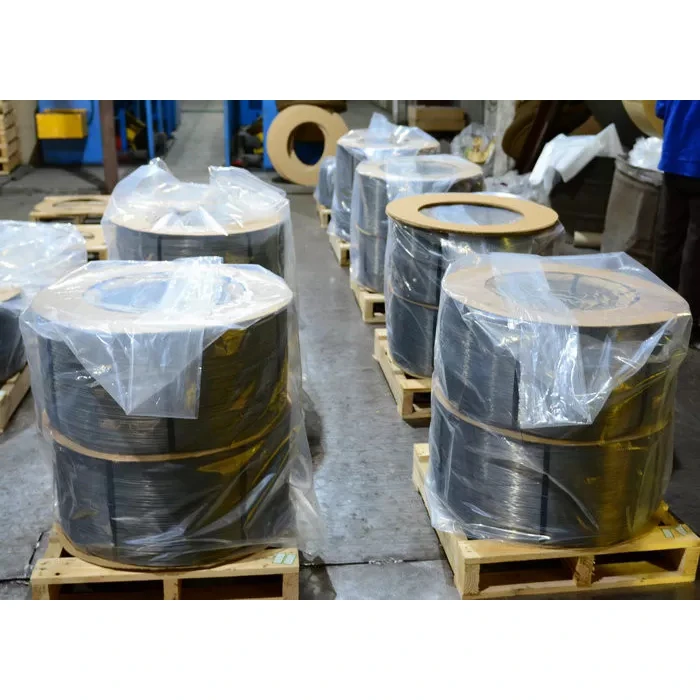

You might think that using a coated steel wire can solve this problem. While coatings like galvanization can slow down the corrosion process, they're not a permanent solution. Over time, the coating can wear off due to abrasion, and then the underlying steel is exposed to the elements again. So, if you're in an environment where corrosion is a major concern, you'll need to regularly inspect and maintain the steel wire, which can be time - consuming and costly.
2. High Cost
Steel wire can be pretty expensive, especially when compared to some other materials. The cost of producing steel wire involves several factors. First, there's the cost of raw materials. Iron ore, which is the main ingredient in steel, has a fluctuating market price. When the price of iron ore goes up, so does the cost of steel wire.
Then there are the manufacturing processes. Producing high - quality steel wire requires advanced machinery and skilled labor. The wire needs to be drawn through a series of dies to achieve the desired diameter, and this process needs to be carefully controlled to ensure the wire has the right strength and flexibility. All these factors contribute to the overall cost of the steel wire.
If you're on a tight budget, the high cost of steel wire can be a real drawback. You might have to look for alternative materials that can offer similar properties at a lower price. However, keep in mind that sometimes, the quality and performance of steel wire are worth the extra cost, especially in applications where safety and durability are crucial.
3. Brittleness
In some cases, steel wire can be brittle. This is particularly true for high - carbon steel wires. High - carbon steel has a higher carbon content, which gives it greater strength but also makes it more brittle.
When a brittle steel wire is subjected to sudden impacts or excessive bending, it can break easily. For example, in a construction project where the steel wire is used for tying reinforcement bars, if it's accidentally hit by heavy equipment, a brittle wire might snap. This can lead to delays in the project and additional costs for replacement.
Even in normal use, if the wire is bent beyond its elastic limit, it can crack or break. This is a problem in applications where the wire needs to be flexible, such as in the manufacturing of Bead Steel Wire. If the wire breaks during the bead manufacturing process, it can disrupt production and cause waste.
4. Weight
Steel wire is relatively heavy compared to some other materials. This can be a disadvantage in applications where weight is a critical factor. For example, in the aerospace industry, every gram counts. Using steel wire in aircraft components can add unnecessary weight, which in turn increases fuel consumption and reduces the aircraft's efficiency.
In transportation applications, such as in the automotive industry, a heavier wire can also impact the vehicle's performance. It can reduce the vehicle's acceleration and increase the wear and tear on the suspension system.
Moving and installing heavy steel wire can also be a challenge. It requires more manpower and specialized equipment to handle. This can add to the overall cost of a project, especially if you need to transport the wire over long distances.
5. Environmental Impact
The production of steel wire has a significant environmental impact. The steelmaking process is energy - intensive. It requires large amounts of coal or natural gas to heat the furnaces and melt the iron ore. This leads to the emission of a large amount of greenhouse gases, contributing to global warming.
In addition, the mining of iron ore can cause environmental damage. It can lead to deforestation, soil erosion, and water pollution. The waste products generated during the steelmaking process, such as slag and dust, also need to be properly disposed of, otherwise, they can contaminate the environment.
If you're an environmentally - conscious buyer, these factors might make you think twice about using steel wire. You might be more inclined to look for more sustainable alternatives, such as natural fibers or recycled materials.
6. Magnetic Properties
Steel wire is magnetic, which can be a problem in some applications. In electronic devices, for example, the magnetic field generated by steel wire can interfere with the normal operation of sensitive components. If you're using steel wire in a device that requires precise electrical signals, such as a medical imaging machine or a high - end audio system, the magnetic properties of the wire can cause signal distortion or noise.
In a data center, where there are a lot of electrical cables and equipment, the magnetic field from steel wire can disrupt the flow of data and cause errors. So, if you're in an environment where magnetic interference is a concern, you'll need to take extra precautions, such as using shielding materials, which can add to the cost and complexity of the project.
7. Difficulty in Cutting and Shaping
Cutting and shaping steel wire can be a real pain. Steel is a hard material, and cutting it requires specialized tools. If you're using a regular pair of scissors or a knife, you're not going to get very far. You'll need a wire cutter or a hacksaw, and even then, it can be a slow and labor - intensive process.
Shaping steel wire to fit a specific application can also be challenging. If you need to bend the wire into a complex shape, you'll need to use a bending machine or some other specialized equipment. And if you make a mistake during the bending process, it can be difficult to correct it without weakening the wire.
In a DIY project or a small - scale manufacturing operation, the difficulty in cutting and shaping steel wire can be a major drawback. You might end up spending a lot of time and effort just trying to get the wire into the right shape, which can slow down your project.
Despite these disadvantages, steel wire still has a lot of great applications. For example, Steel Cut Wire Shot is widely used in shot peening processes to improve the fatigue life of metal parts, and Steel Wire for Brush is perfect for making industrial brushes due to its strength.
If you're still interested in using steel wire despite these drawbacks, or if you have any questions about how to mitigate these issues, don't hesitate to reach out. We're here to help you find the right steel wire solution for your needs. Whether you need a specific type of steel wire or have questions about its application, our team of experts can assist you. Let's have a chat and see how we can work together to meet your requirements.
References
- ASM Handbook Committee. (2004). ASM Handbook Volume 1: Properties and Selection: Irons, Steels, and High - Performance Alloys. ASM International.
- American Iron and Steel Institute. (2019). Steel Industry Overview. American Iron and Steel Institute.
- Groover, M. P. (2010). Fundamentals of Modern Manufacturing: Materials, Processes, and Systems. John Wiley & Sons.