

What are the vibration - damping properties of bead steel wire?
What are the vibration - damping properties of bead steel wire?
As a trusted bead steel wire supplier, I've witnessed firsthand the crucial role that bead steel wire plays in various industries. One of the most significant aspects of bead steel wire is its vibration - damping properties, which are essential for many applications. In this blog, I'll delve into the vibration - damping properties of bead steel wire, explaining what they are, why they matter, and how they impact different industries.
Understanding Vibration Damping
Before we discuss the vibration - damping properties of bead steel wire, it's important to understand what vibration damping is. Vibration damping is the process of reducing the amplitude of vibrations in a system. When a structure or component vibrates, it can cause noise, wear and tear, and even structural damage over time. Vibration - damping materials work by converting the kinetic energy of the vibration into other forms of energy, such as heat, which is then dissipated.
Vibration - Damping Properties of Bead Steel Wire
Bead steel wire exhibits several characteristics that contribute to its vibration - damping capabilities. One of the primary factors is its high strength and elasticity. Bead steel wire is typically made from high - carbon steel, which gives it excellent tensile strength. This strength allows the wire to withstand significant forces without deforming permanently. At the same time, its elasticity enables it to absorb and dissipate energy when subjected to vibrations.
Another important aspect is the wire's microstructure. The manufacturing process of bead steel wire involves careful control of the microstructure, which can affect its vibration - damping properties. A well - controlled microstructure can enhance the wire's ability to absorb and disperse vibration energy. For example, a fine - grained microstructure can provide more interfaces for energy dissipation, leading to better vibration damping.
Moreover, the surface finish of bead steel wire also plays a role in its vibration - damping performance. A smooth surface finish can reduce friction and noise, which are often associated with vibrations. Additionally, a proper surface treatment can improve the wire's resistance to corrosion, ensuring its long - term performance in vibration - damping applications.
Applications in Different Industries
The vibration - damping properties of bead steel wire make it suitable for a wide range of applications in various industries.
Automotive Industry
In the automotive industry, bead steel wire is used in tire bead construction. Tires are constantly subjected to vibrations from the road surface. The vibration - damping properties of bead steel wire help to reduce the transmission of these vibrations to the vehicle's chassis, improving ride comfort and reducing noise. Moreover, by damping vibrations, the wire can also enhance the durability of the tire bead, preventing premature failure.
Construction Industry
In construction, bead steel wire can be used in structures to dampen vibrations caused by wind, earthquakes, or machinery. For example, it can be incorporated into building frameworks or bridge cables. By reducing vibrations, the wire can increase the structural integrity of buildings and bridges, making them safer and more stable.
Electrical Industry
The electrical industry also benefits from the vibration - damping properties of bead steel wire. In electrical equipment, such as generators and transformers, vibrations can cause mechanical stress and noise. Bead steel wire can be used in components to absorb and dampen these vibrations, improving the reliability and performance of the equipment.
Other Industries
There are other industries that utilize the vibration - damping properties of bead steel wire. In the aerospace industry, it can be used in aircraft components to reduce vibrations and improve flight safety. In the manufacturing industry, it can be applied in machinery to reduce noise and extend the service life of equipment.
Comparison with Other Materials
When compared to other materials used for vibration damping, bead steel wire has several advantages. For instance, compared to rubber materials, bead steel wire has higher strength and better resistance to high temperatures and chemicals. Rubber can degrade over time, especially in harsh environments, while bead steel wire can maintain its performance for a longer period.
Compared to some composite materials, bead steel wire is more cost - effective. Composite materials often require complex manufacturing processes and expensive raw materials, while bead steel wire can be produced relatively easily and at a lower cost.
Related Products
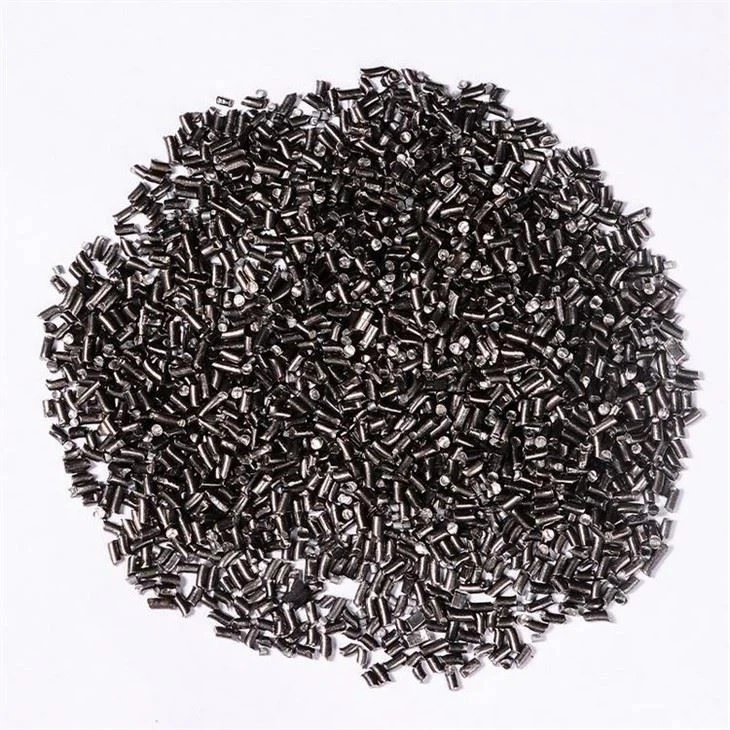
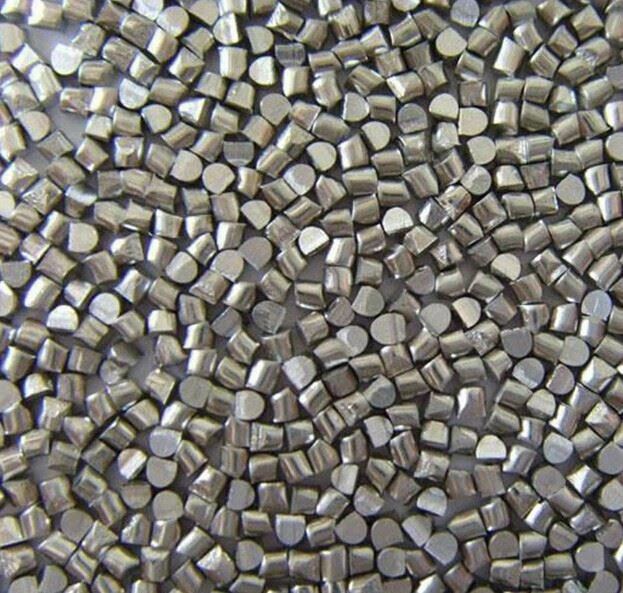
If you're interested in other steel wire products, we also offer Flexible Duct Wire, which is suitable for ventilation systems and can also have certain vibration - damping effects in some applications. Our Steel Cut Wire Shot is used for surface treatment and can be an important part of the overall manufacturing process related to bead steel wire applications. Additionally, Steel Wire for Optical Fibre Cable is another product in our portfolio, providing protection and support for optical fibre cables, which may also require vibration - damping features in some environments.
Conclusion
In conclusion, the vibration - damping properties of bead steel wire are of great importance in many industries. Its high strength, elasticity, well - controlled microstructure, and appropriate surface finish all contribute to its excellent vibration - damping performance. Whether in the automotive, construction, electrical, or other industries, bead steel wire can effectively reduce vibrations, improve product performance, and extend service life.
If you're in need of high - quality bead steel wire for your vibration - damping applications, please feel free to contact us. Our team of experts is ready to provide you with detailed product information and customized solutions to meet your specific requirements.
References
- Smith, J. (2018). Steel Wire Technology and Applications. London: Metal Press.
- Johnson, M. (2020). Vibration Damping in Engineering Structures. New York: Engineering Publishing House.
- Brown, R. (2019). Automotive Materials and Their Performance. Berlin: Auto Tech Publishers.