

What is the chemical resistance of coated steel wire?
Chemical resistance is a crucial property when it comes to coated steel wire, especially in various industrial and commercial applications. As a leading coated steel wire supplier, I am well - versed in the chemical resistance characteristics of different types of coated steel wires and their significance in diverse environments.
Understanding Coated Steel Wire and Chemical Resistance
Coated steel wire is steel wire that has been covered with a protective layer. This coating serves multiple purposes, one of the most important being to enhance the wire's resistance to chemical substances. Chemical resistance refers to the ability of the coated steel wire to withstand the corrosive effects of various chemicals, such as acids, alkalis, salts, and organic solvents, without significant degradation of its physical and mechanical properties.
The chemical resistance of coated steel wire is determined by several factors. Firstly, the type of coating material plays a fundamental role. Different coating materials have different chemical compositions and structures, which endow them with varying levels of resistance to different chemicals. Secondly, the quality of the coating process is also vital. A well - applied coating with uniform thickness and good adhesion to the steel substrate can provide better protection than a poorly applied one. Additionally, the environmental conditions in which the coated steel wire is used, including temperature, humidity, and the concentration of chemical substances, also have a significant impact on its chemical resistance.
Types of Coated Steel Wire and Their Chemical Resistance
Brass Coated Steel Wire
Brass Coated Steel Wire is widely used in many industries, such as the tire industry, cable manufacturing, and handicrafts. Brass is an alloy of copper and zinc, and its coating on steel wire provides good corrosion resistance.
Brass coated steel wire has relatively good resistance to mild acids and alkalis. In a mildly acidic environment, the brass coating can form a thin oxide layer on its surface, which acts as a barrier to prevent further corrosion of the underlying steel. However, in a highly acidic environment, the brass coating may gradually dissolve, and the steel wire will start to corrode. In alkaline solutions, brass coated steel wire also shows a certain degree of stability, but long - term exposure to strong alkalis can cause the coating to deteriorate.
Hot Dipped Galvanized Steel Wire
Hot Dipped Galvanized Steel Wire is produced by immersing the steel wire in molten zinc. This process forms a thick and durable zinc coating on the surface of the steel wire.
Galvanized steel wire has excellent resistance to corrosion in many environments, especially in outdoor and marine environments. Zinc is a more active metal than steel, and it acts as a sacrificial anode. When the zinc coating is exposed to a corrosive environment, the zinc will corrode first, protecting the underlying steel from corrosion. Galvanized steel wire can resist the corrosion of many salts, such as sodium chloride, which is commonly found in seawater. However, in acidic environments, the zinc coating will react with acids, and the rate of corrosion will increase significantly.
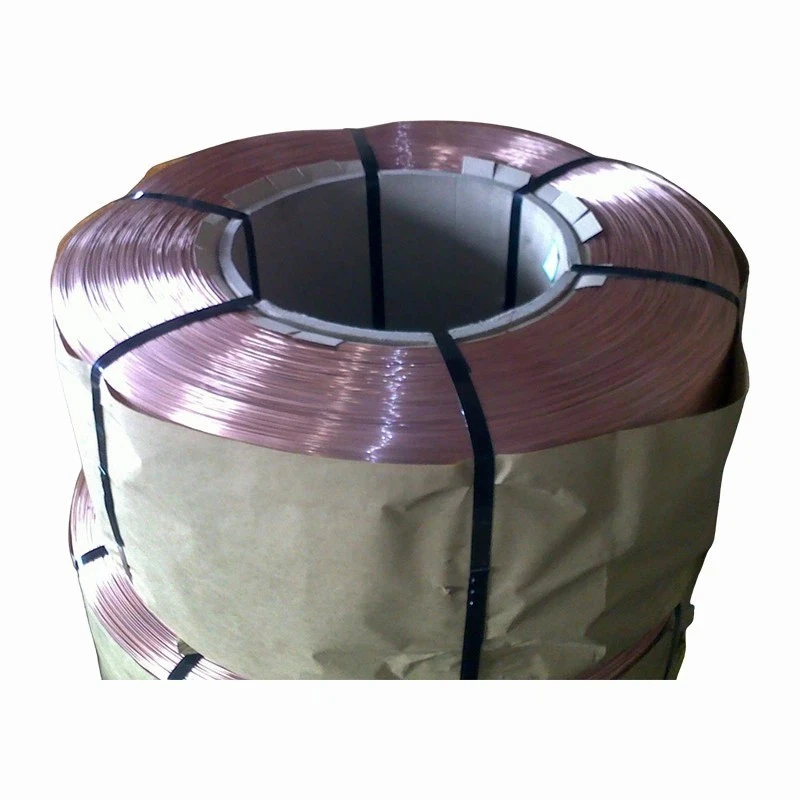
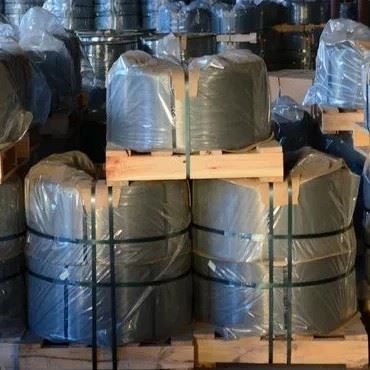
Anti Oxidation Copper Coated Steel Wire
Anti Oxidation Copper Coated Steel Wire is designed to provide good electrical conductivity while also protecting the steel wire from oxidation and corrosion. The copper coating on this type of wire is treated to enhance its anti - oxidation properties.
Copper has good resistance to many chemicals, especially in non - oxidizing acids and in the presence of some salts. Anti - oxidation copper coated steel wire can maintain its integrity in a relatively wide range of pH values. However, in the presence of strong oxidizing agents, such as nitric acid, the copper coating may be oxidized and corroded.
Applications and the Importance of Chemical Resistance
The chemical resistance of coated steel wire is of great importance in different applications.
In the construction industry, coated steel wires are used in reinforcement, fencing, and suspension systems. For example, hot - dipped galvanized steel wire is often used in outdoor fencing because of its excellent resistance to corrosion from rain, humidity, and soil chemicals. If the wire does not have good chemical resistance, it will rust and weaken over time, reducing the safety and durability of the fence.
In the automotive industry, brass coated steel wire is used in tire cord. The wire needs to resist the chemical environment inside the tire, including the heat, pressure, and the presence of various additives in the rubber. A wire with poor chemical resistance may corrode, leading to a decrease in the tire's performance and safety.
In the electronics industry, anti - oxidation copper coated steel wire is used for its electrical conductivity and corrosion resistance. In electronic devices, the wire may be exposed to various chemicals during the manufacturing process or in the operating environment. Good chemical resistance ensures the long - term stability of the electrical connection and the performance of the device.
Testing and Evaluation of Chemical Resistance
To ensure the quality and performance of coated steel wire, it is necessary to conduct testing and evaluation of its chemical resistance.
One common method is the immersion test. In this test, samples of coated steel wire are immersed in different chemical solutions for a certain period of time. After the immersion, the samples are examined for changes in appearance, such as discoloration, pitting, or coating delamination. The weight loss of the samples can also be measured to quantify the degree of corrosion.
Another method is the salt spray test. In this test, the coated steel wire samples are placed in a chamber where a salt - water mist is sprayed onto the samples. The test simulates the corrosive environment in coastal areas. By observing the time it takes for the samples to show signs of corrosion, the chemical resistance of the coated steel wire can be evaluated.
Conclusion and Call to Action
In conclusion, the chemical resistance of coated steel wire is a complex and important property that depends on the type of coating, the coating process, and the environmental conditions. Different types of coated steel wires, such as Brass Coated Steel Wire, Hot Dipped Galvanized Steel Wire, and Anti Oxidation Copper Coated Steel Wire, have different chemical resistance characteristics, which make them suitable for different applications.
As a professional coated steel wire supplier, we are committed to providing high - quality products with excellent chemical resistance. Our products are rigorously tested to ensure they meet the highest standards. If you are in need of coated steel wire for your project, whether it is for construction, automotive, electronics, or other industries, we would be more than happy to discuss your requirements. Contact us today to start a procurement negotiation and find the perfect coated steel wire solution for your needs.
References
- ASTM International. (20XX). Standard test methods for evaluating the corrosion resistance of metallic coatings on steel.
- ISO. (20XX). International standards for testing the chemical resistance of coated metals.
- Various research papers on the corrosion and protection of coated steel wires published in leading materials science journals.