

What is the cross - sectional shape tolerance of cold drawn spring wire rods?
In the manufacturing industry, cold drawn spring wire rods are essential components used in a wide range of applications, from automotive parts to household appliances. As a leading supplier of cold drawn spring wire rods, I understand the importance of quality and precision in these products. One crucial aspect that often goes unnoticed but significantly impacts the performance of the wire rods is the cross - sectional shape tolerance.
Understanding Cross - Sectional Shape Tolerance
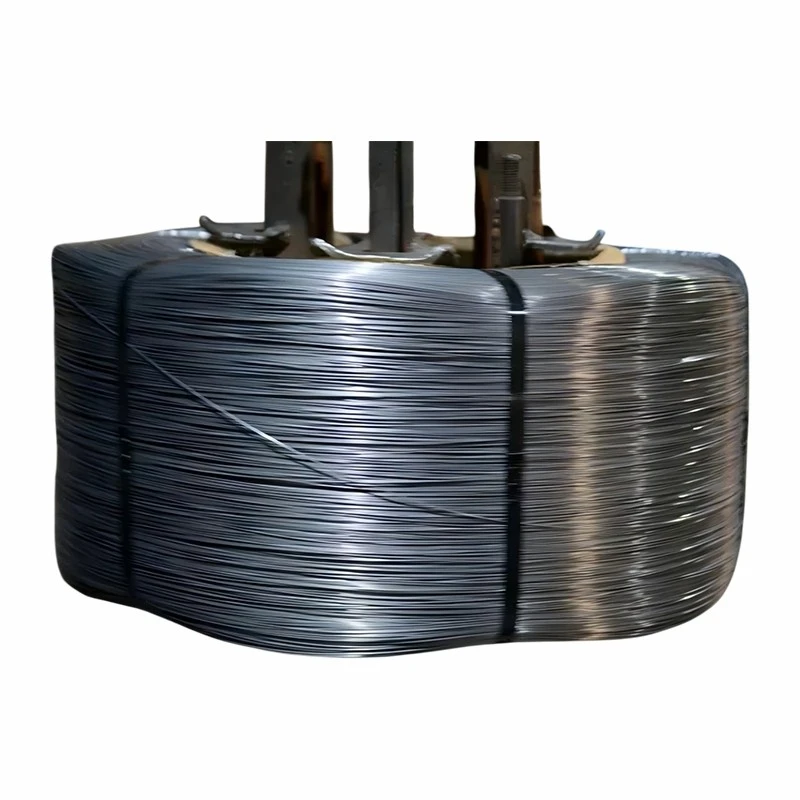
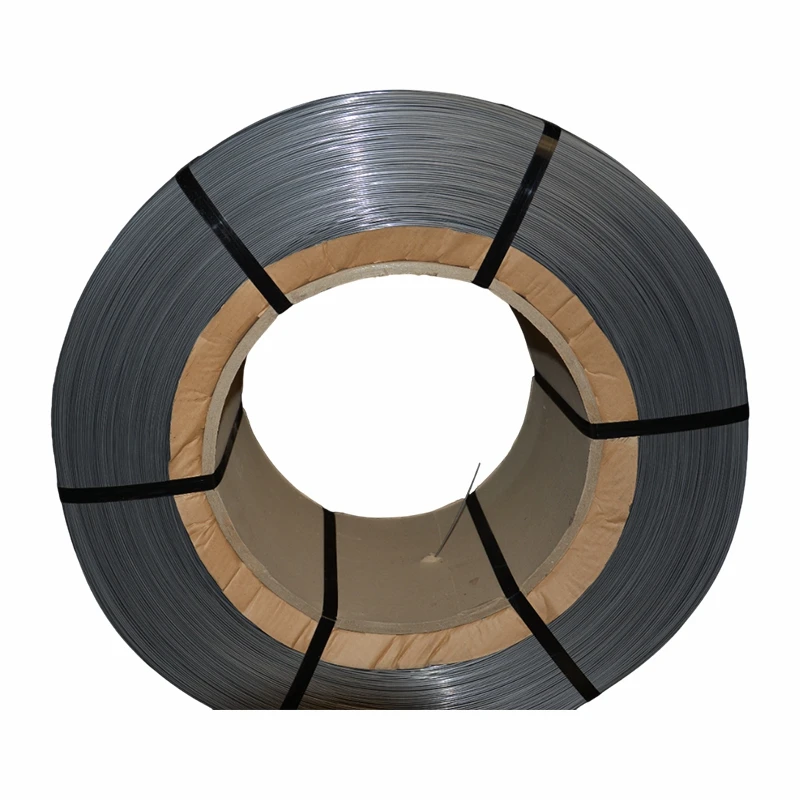
The cross - sectional shape tolerance refers to the allowable deviation of the actual cross - sectional shape of the cold drawn spring wire rod from its ideal or specified shape. For spring wire rods, the most common cross - sectional shapes are circular, although other shapes like rectangular or square may also be used depending on the application.
In a perfect world, a circular spring wire rod would have a perfectly round cross - section with a consistent diameter throughout its length. However, in real - world manufacturing processes, achieving such perfection is nearly impossible. There are always slight variations in the shape due to factors such as the quality of the raw materials, the precision of the drawing dies, and the stability of the drawing process.
The cross - sectional shape tolerance is typically defined by standards such as ISO, ASTM, or other industry - specific standards. These standards specify the maximum allowable deviation from the ideal shape. For example, in a circular wire rod, the tolerance might be expressed as the maximum difference between the maximum and minimum diameters measured at any cross - section.
Factors Affecting Cross - Sectional Shape Tolerance
Raw Materials
The quality of the raw materials used in the production of cold drawn spring wire rods plays a significant role in determining the cross - sectional shape tolerance. If the initial steel billets or rods have inhomogeneous structures or contain impurities, it can lead to uneven deformation during the drawing process. For instance, local variations in hardness within the raw material can cause some areas to deform more easily than others, resulting in an irregular cross - sectional shape.
Drawing Dies
Drawing dies are the tools used to reduce the diameter of the wire rod during the cold drawing process. The precision of the drawing dies is crucial for achieving a consistent cross - sectional shape. Worn - out or poorly manufactured dies can introduce irregularities in the shape of the wire rod. For example, if the die has a slightly oval - shaped opening instead of a perfect circle, the wire rod passing through it will also end up with an oval cross - section.
Drawing Process Parameters
The parameters of the drawing process, such as the drawing speed, reduction ratio, and lubrication, also affect the cross - sectional shape tolerance. A high drawing speed may not allow the wire rod enough time to deform uniformly, leading to shape irregularities. Similarly, an excessive reduction ratio in a single drawing pass can cause the wire rod to experience uneven stress distribution, resulting in a non - uniform cross - section. Proper lubrication is essential to reduce friction between the wire rod and the drawing die. Insufficient lubrication can cause sticking and uneven deformation, which in turn affects the cross - sectional shape.
Importance of Cross - Sectional Shape Tolerance
Spring Performance
For spring applications, the cross - sectional shape tolerance is of utmost importance. Springs rely on the uniform distribution of stress within the wire to function properly. If the cross - section of the spring wire rod is irregular, the stress distribution will be uneven. This can lead to premature fatigue failure of the spring, reduced spring stiffness, and inconsistent spring performance. For example, in automotive suspension springs, an irregular cross - section can cause uneven loading on the spring, leading to a rough ride and potential safety issues.
Assembly and Compatibility
In many applications, cold drawn spring wire rods need to be assembled with other components. A precise cross - sectional shape is necessary to ensure proper fit and compatibility. For instance, if a wire rod is used in a mechanical device where it needs to pass through a hole or slot, an irregular cross - section may prevent it from fitting correctly. This can lead to assembly difficulties, increased wear and tear on the components, and ultimately, reduced product reliability.
Our Approach as a Supplier
As a supplier of cold drawn spring wire rods, we take several measures to ensure tight cross - sectional shape tolerances.
Quality Control of Raw Materials
We source our raw materials from trusted suppliers and conduct rigorous quality inspections before using them in production. We use advanced testing methods such as ultrasonic testing and chemical analysis to detect any inhomogeneities or impurities in the raw materials. Only high - quality raw materials that meet our strict standards are used in the production of our wire rods.
Precision Manufacturing of Drawing Dies
We invest in state - of - the - art manufacturing equipment and techniques to produce high - precision drawing dies. Our dies are carefully designed and machined to ensure a perfect cross - sectional shape. We also regularly monitor and maintain our dies to prevent wear and tear, which can affect the shape of the wire rods.
Optimization of Drawing Process
We continuously optimize our drawing process parameters based on extensive research and experience. We use advanced process control systems to monitor and adjust the drawing speed, reduction ratio, and lubrication in real - time. This ensures that the wire rods are drawn under optimal conditions, resulting in a consistent and precise cross - sectional shape.
Our Product Range and Related Applications
In addition to our high - quality cold drawn spring wire rods, we also offer a variety of other steel wire products. For example, we have Steel Wire for Optical Fibre Cable, which is designed to provide mechanical protection and support for optical fiber cables. Our Steel Wire for Brush is known for its high strength and durability, making it suitable for various brushing applications. We also supply Flexible Duct Wire, which is used in the construction of flexible ducts for ventilation systems.
Contact Us for Procurement
If you are in need of high - quality cold drawn spring wire rods or any of our other steel wire products, we invite you to contact us for procurement. Our team of experts is ready to assist you in selecting the right products for your specific applications and to provide you with detailed technical support. We are committed to delivering products that meet the highest quality standards and to providing excellent customer service. Whether you are a small - scale manufacturer or a large - scale industrial enterprise, we can meet your requirements.
References
- ISO standards related to cold drawn steel wire rods
- ASTM standards for spring wire materials
- Technical literature on metal forming processes and wire drawing technology