

What is the elasticity of coated steel wire?
Hey there! As a supplier of coated steel wire, I often get asked about the elasticity of this product. So, let's dive right in and explore what the elasticity of coated steel wire really means.
First off, elasticity is all about how a material responds when you apply force to it. When we talk about coated steel wire, elasticity refers to its ability to stretch under stress and then go back to its original shape once the stress is removed. It's kind of like a rubber band. You pull it, and it stretches, but when you let go, it snaps back. That's elasticity in action.
Now, the elasticity of coated steel wire is super important for a bunch of reasons. For one, it affects how the wire performs in different applications. In industries like construction, automotive, and manufacturing, coated steel wire is used in a wide range of products. For example, in construction, it might be used in reinforcing concrete structures. The wire needs to be able to stretch a bit without breaking when the concrete expands or contracts due to temperature changes or other factors. If the wire isn't elastic enough, it could crack or break, which would weaken the entire structure.
In the automotive industry, coated steel wire is used in things like seat springs and suspension components. These parts need to be able to withstand repeated stress and strain as the vehicle moves. The elasticity of the wire ensures that it can handle these forces without losing its shape or functionality over time.
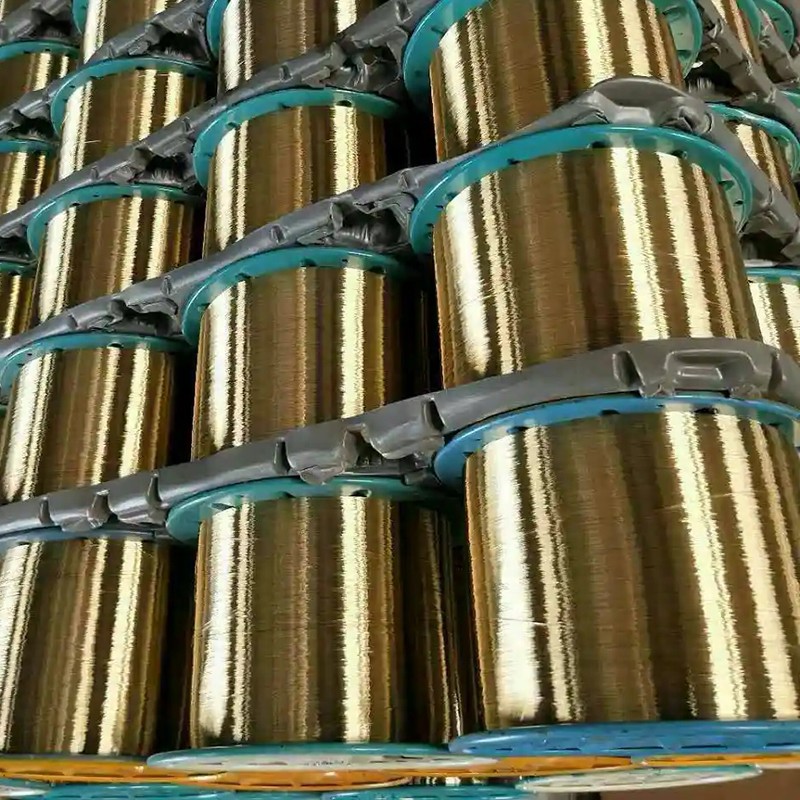
So, what factors influence the elasticity of coated steel wire? Well, the type of coating is one big factor. Different coatings can have different effects on the wire's properties. For instance, Brass Coated Steel Wire offers good corrosion resistance and can also enhance the wire's flexibility to some extent. The brass coating can act as a buffer, reducing the direct impact of external forces on the steel core and allowing the wire to stretch more easily.
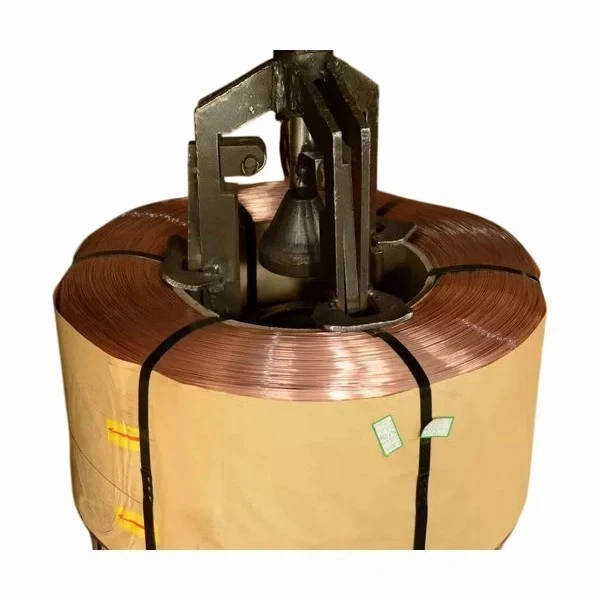
On the other hand, Anti Oxidation Copper Coated Steel Wire is designed to prevent oxidation and rust. The copper coating not only protects the steel wire but can also contribute to its overall elasticity. Copper is a relatively soft and malleable metal, and when it coats the steel wire, it can add a bit of extra give, making the wire more elastic.
Tin Plated Copper Steel Wire is another option. The tin plating provides excellent solderability and corrosion resistance. It can also affect the wire's elasticity by changing the surface properties of the wire. The tin layer can make the wire smoother, reducing friction and allowing it to stretch more freely.
The thickness of the coating also matters. A thicker coating might add more weight and stiffness to the wire, which could potentially reduce its elasticity. However, in some cases, a thicker coating can also provide better protection and reinforcement, which might be beneficial depending on the application.
The composition of the steel core is another crucial factor. Different grades of steel have different levels of elasticity. High - carbon steel, for example, is generally stronger but less elastic than low - carbon steel. When choosing the right coated steel wire, it's important to consider the specific requirements of your application and select a wire with the appropriate steel core composition.
The manufacturing process also plays a role. The way the wire is drawn, heat - treated, and coated can all affect its final elasticity. For example, proper heat treatment can improve the wire's ductility, which is related to its ability to stretch without breaking. This can enhance the overall elasticity of the coated steel wire.
Now, let's talk about how we measure the elasticity of coated steel wire. One common way is through a tensile test. In a tensile test, a sample of the wire is held at both ends, and a gradually increasing force is applied until the wire breaks. During this process, the amount of stretch and the corresponding force are measured. The results are used to calculate the wire's elastic modulus, which is a measure of its stiffness or elasticity. A higher elastic modulus means the wire is stiffer and less elastic, while a lower elastic modulus indicates greater elasticity.
As a coated steel wire supplier, I understand the importance of providing high - quality products with the right elasticity for your specific needs. Whether you're in the construction, automotive, or any other industry, we have a wide range of coated steel wires to choose from. Our Brass Coated Steel Wire is perfect for applications where corrosion resistance and some flexibility are required. The Anti Oxidation Copper Coated Steel Wire is ideal for projects where oxidation protection and good elasticity are key. And our Tin Plated Copper Steel Wire is great for applications that need solderability and corrosion resistance.
If you're interested in learning more about our coated steel wires or have specific requirements for your project, don't hesitate to reach out. We're here to help you find the perfect solution. Whether you need a small quantity for a prototype or a large order for a big - scale project, we can work with you to meet your needs.
In conclusion, the elasticity of coated steel wire is a complex but crucial property that affects its performance in various applications. By understanding the factors that influence elasticity and choosing the right type of coated steel wire, you can ensure the success of your projects. So, if you're in the market for coated steel wire, give us a chance to show you what we can offer.
References
- Materials Science and Engineering textbooks
- Industry reports on coated steel wire applications